Our Products
Approved Installers
More Information

Find Your Perfect Door...

Free, Fast Delivery Over £750

10 Year Guarantee

Price Match Promise

3500+ Doors Sold A Week

A Tree Planted For Every Review
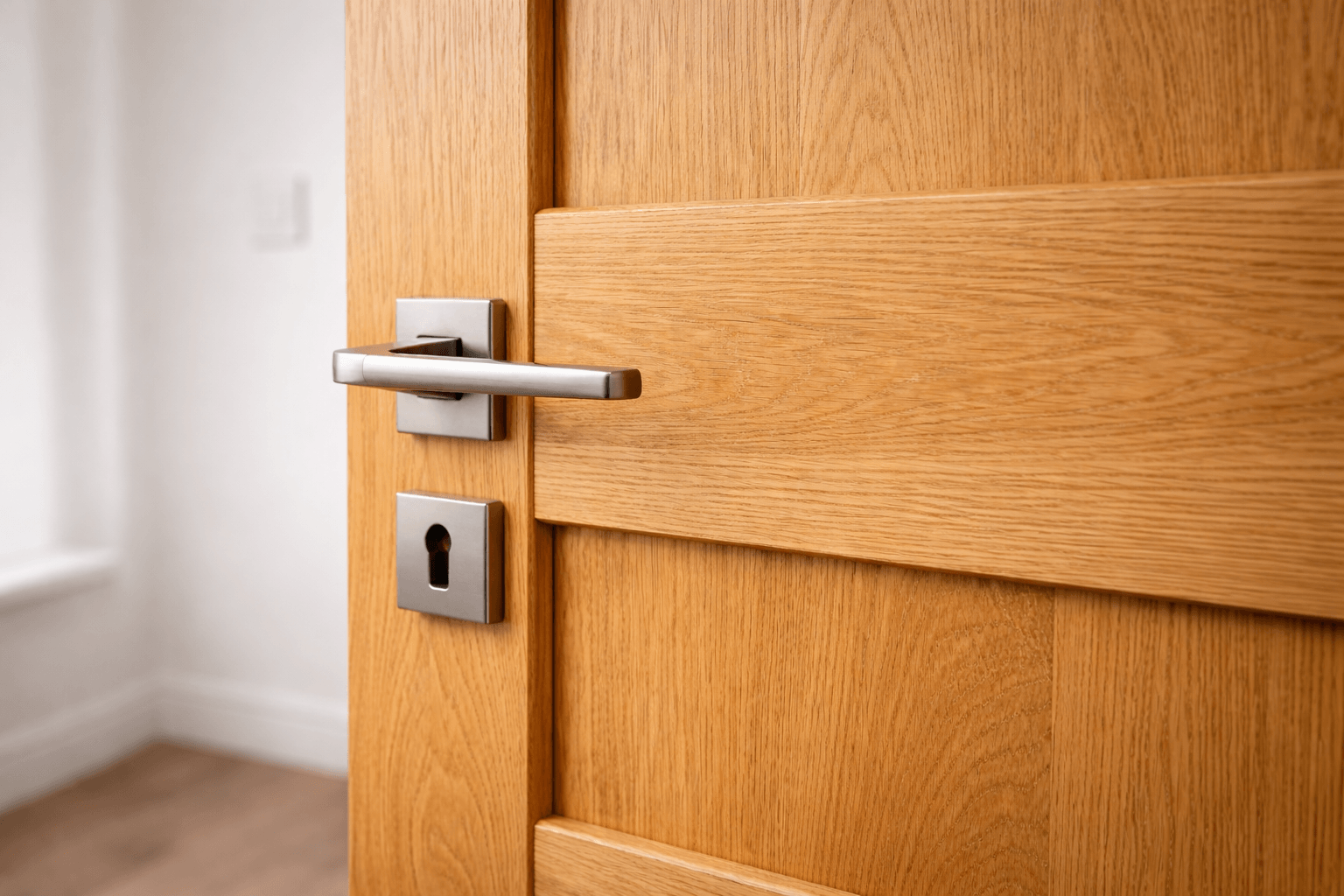
When you’re choosing internal doors, it’s easy to focus on style first. Oak or white? Glazed or solid? Modern or traditional? But, what really makes a quality internal door?
Anyone who’s fitted a few doors (or lived with them for a while) knows that it’s what’s behind the surface and the standard of the installation itself.
Quality internal doors aren’t just about how they look on day one. It’s about how they behave during installation, how they perform over time and whether they still feel right after years of daily use.
Whether you’re a confident DIYer or working with a professional installer, understanding how an internal door is made and best practice when it comes to fitting is what separates a good door from a great one. It’ll save time, hassle and potentially costly mistakes in the long run.
Internal doors sit right at the intersection of design and practicality.
From an installer’s point of view, a poor-quality door can be frustrating from the moment it comes out of the packaging. It might not be perfectly square, it may require excessive adjustment, or worse it may not stay true once fitted.
From a homeowner’s perspective, the issues show up later:
By contrast, a well-made door makes everything easier.
It hangs properly. It stays stable. It feels solid. And crucially, it doesn’t need constant adjustment once it’s in.
That’s why investing in quality up front tends to pay off. Not just in how the door looks, but in how smoothly the entire installation process goes, too.
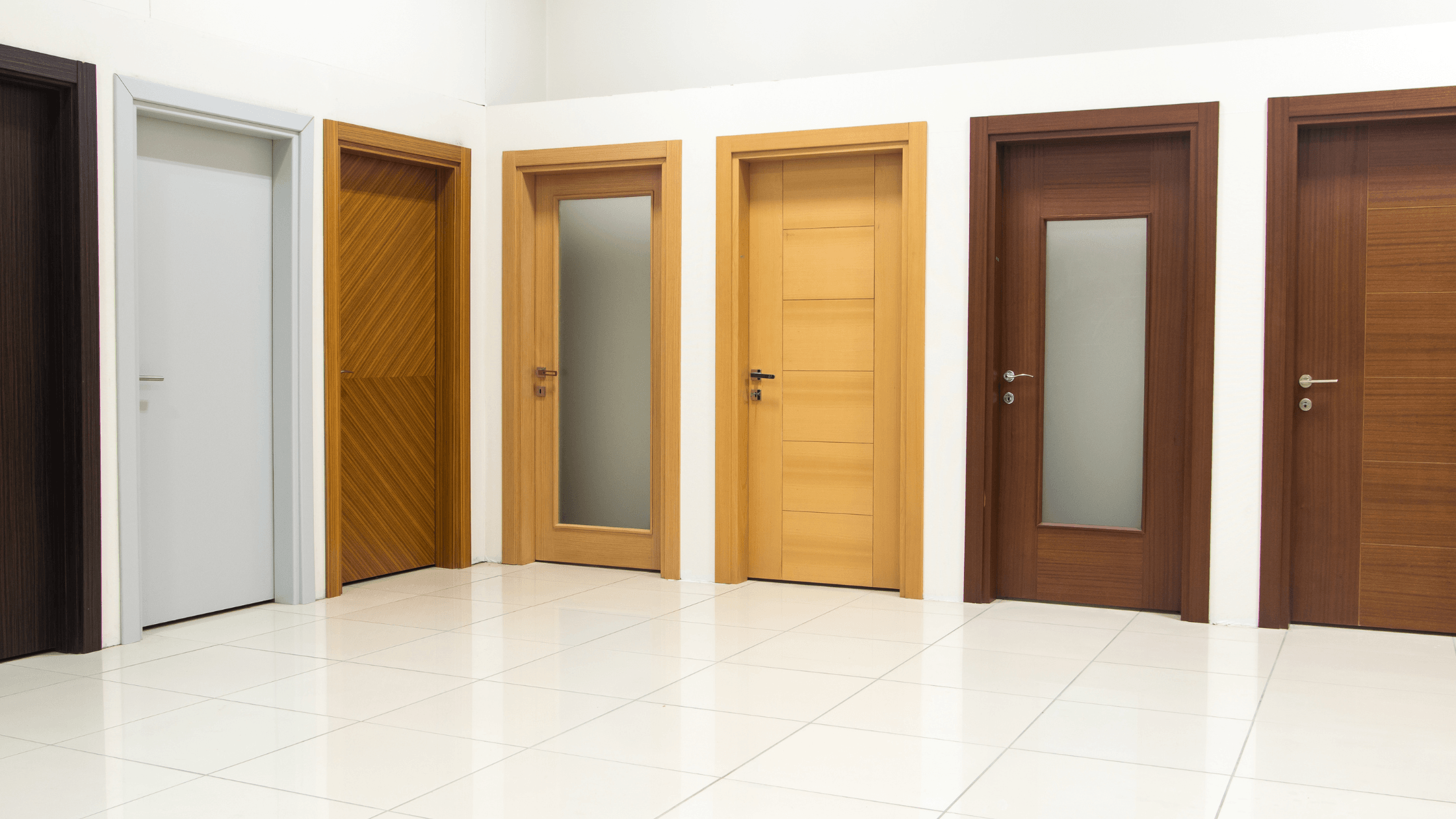
If you strip everything back, the core is where the real difference lies.
Two doors might look almost identical on the surface, but internally they can be worlds apart.
These are built with a lightweight internal structure, often using a honeycomb or cardboard-style core.
Lightweight hollowcore doors definitely have their place (particularly in low-use areas and when budgets are tight) but from an installer’s perspective, they can feel less forgiving. Fixings can be limited, trimming is often more restricted and they don’t offer much in terms of rigidity.
A step up in every sense.
Solid timber doors tend to be heavier, denser and far more robust. They’re much easier to work with during installation because:
They also deliver noticeably better performance once installed, particularly when it comes to sound reduction and heat loss. The biggest downside to solid timber doors is their ability to warp and twist over time as the timber ages, this could mean some remedial work to correct any sticking etc could be needed later down the line.
This is where modern manufacturing really shines.
Engineered internal doors are constructed using either multiple layers of timber or a dense particle board that’s then wrapped in a real wood veneer or laminate, designed to keep natural movement in the wood to a minimum to prevent warping over time. For installers, this means:
“A well-constructed engineered core door gives you the look of solid timber, but with far greater stability, this is something that really matters, particularly in period homes where heating and humidity can fluctuate a lot.” – John Shaw, Managing Director of Climadoor
While there’s no hard and fast rule on this one as every home is different, for most, a solid or engineered core is the best, more robust option. They provide better durability, improved sound and heat insulation, and generally offer a more stable structure during and after installation.
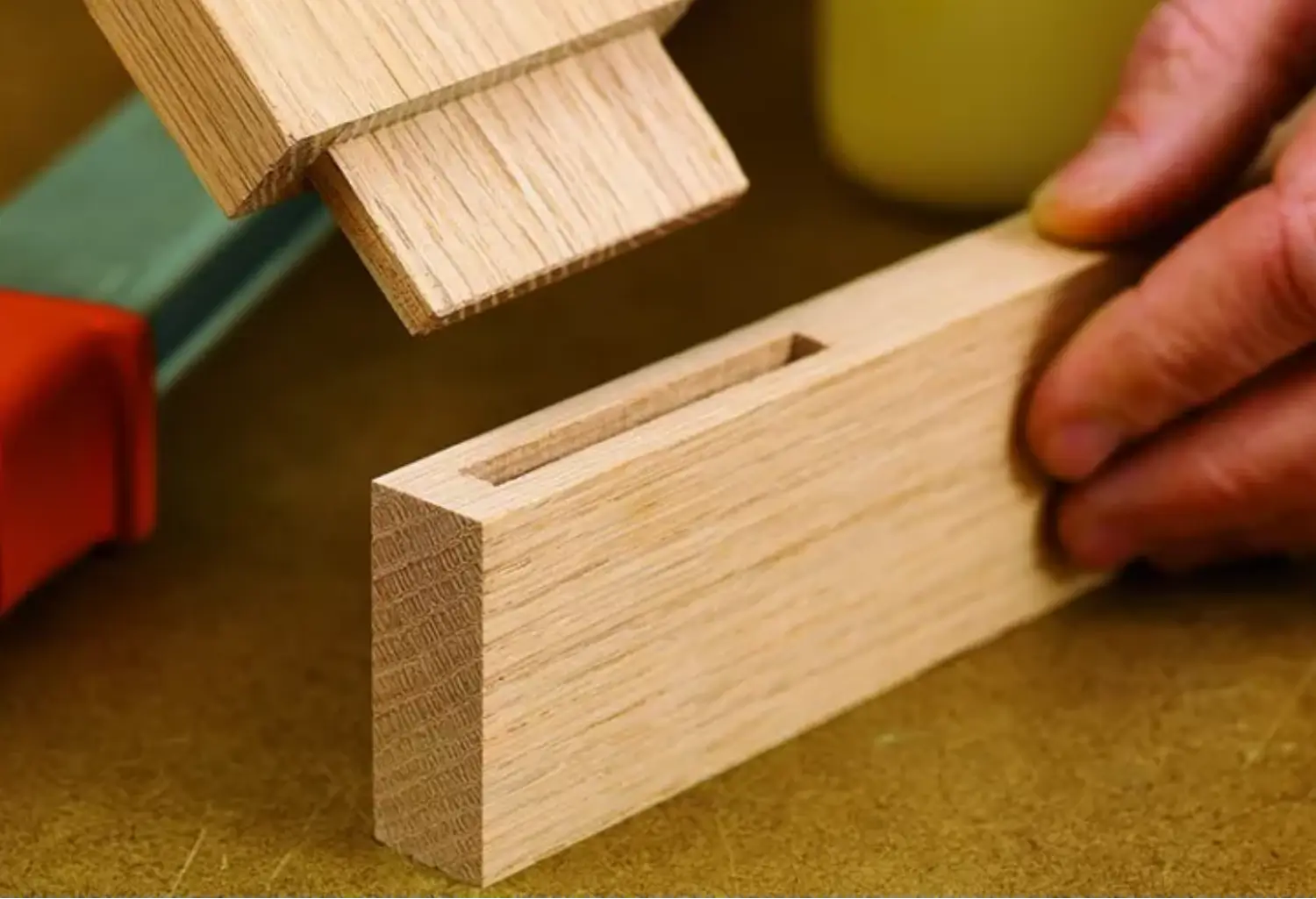
One of the most overlooked aspects of an internal door is how it’s held together. While you won’t see the joints once the door is finished, they play a big role in strength, stability and long-term performance.
Traditionally, doors were built using mortise and tenon joints, where sections of timber are interlocked and bonded together. This method is known for its strength and is still used in higher-end or traditional joinery.
Most modern internal doors, however, use dowel construction. This involves inserting and gluing timber dowels between components, creating a strong and consistent bond that works particularly well in engineered doors.
In practice, both methods can perform well when done properly. What matters most is the overall quality of the door construction. A well-made door will feel rigid, stay square during installation and hold its shape over time, something confident installers will notice straight away.
The finish of a door isn’t just a design choice, it directly affects how easy it is to install and maintain.
Unfinished internal doors give you complete control, which can be ideal for bespoke interiors. They’re usually offered at a cheaper price point too, so great for those on a tight budget. However, they do require careful handling.
From an installer’s perspective, unfinished doors need sealing properly on all edges (including the top and bottom) to prevent moisture ingress. Skipping this step can lead to swelling or warping later on which could cause the door to warp and develop operational issues later down the line.
A good middle ground.
Primed internal doors save time on prep work while still allowing flexibility in the final colour. With their uniform factory priming allows for a smoother finish, they’re particularly useful on larger projects where consistency is important.
Learn more about primed doors and why you might choose them in our handy guide, where we take a deeper dive into what they’re all about.
For many, prefinished internal doors are the most practical choice.
While they do come at a slightly higher price point, prefinished doors are treated in controlled factory environments, which results in:
For installers, this also means less time on site and a cleaner, faster fit with no waiting around for paint to dry or worrying about dust contamination.
In many cases, yes. Prefinished doors offer a more durable and the ultimate in consistent finish, as they’re treated in factory conditions rather than on site.
Ask any installer and usually they’ll tell you that this is where quality really starts to show.
Lippings are the solid timber edges around the door and they dictate how much you can trim to get the best fit.
With lower-quality doors, trimming allowances can be tight, which leaves very little margin for adjustment. This can be especially challenging in older properties where openings aren’t perfectly square.
Higher-quality doors, on the other hand, often come with more generous lippings.
This gives you:
It’s one of those details that can make the difference between a smooth install and a frustrating one.
Yes, but always check the manufacturer’s guidelines. The amount you can trim depends on the size of the lippings and the construction of the door.
There’s a moment when you first lift or hang a door where you can instantly tell what you’re working with.
A quality door has a reassuring weight to it. It feels balanced, not flimsy. When it closes, it does so with a clean, solid movement rather than a hollow “bounce”.
From an installation perspective, this matters more than you might think.
Heavier, well-constructed doors tend to:
It’s not just about perception, it’s about long-term performance.
Glazed internal doors introduce another layer of complexity and another opportunity to spot quality… or not.
The glass itself should always be toughened safety glass, but beyond that, it’s the detailing that counts.
A well-made glazed door will have:
From an installer’s point of view, poor glazing can lead to rattling, alignment issues, or even callbacks after installation.
From a homeowner’s point of view, it affects both safety and overall finish.
Yes, as long as they use toughened safety glass. This type of glass is designed to be significantly stronger and safer than standard glass.
Homes aren’t static environments.
Heating systems, seasonal changes and everyday use all create movement in materials, especially timber.
This is where door construction quality really proves its worth.
Engineered doors are specifically designed to minimise movement, which means:
For installers, this reduces the likelihood of call-backs. For homeowners, it means doors that continue to perform as expected long after installation.
In certain areas of the home, internal doors also play a critical safety role.
FD30 fire doors are designed to resist fire for 30 minutes (or 60 minutes if you’d prefer to go for an FD60 fire door), helping to slow the spread of flames and smoke.
But it’s not just about the door itself, it’s about the full system.
To perform correctly, fire doors need:
For installers, this means careful attention to detail and adherence to guidelines. For homeowners, it provides peace of mind that the door will perform if it’s ever needed.
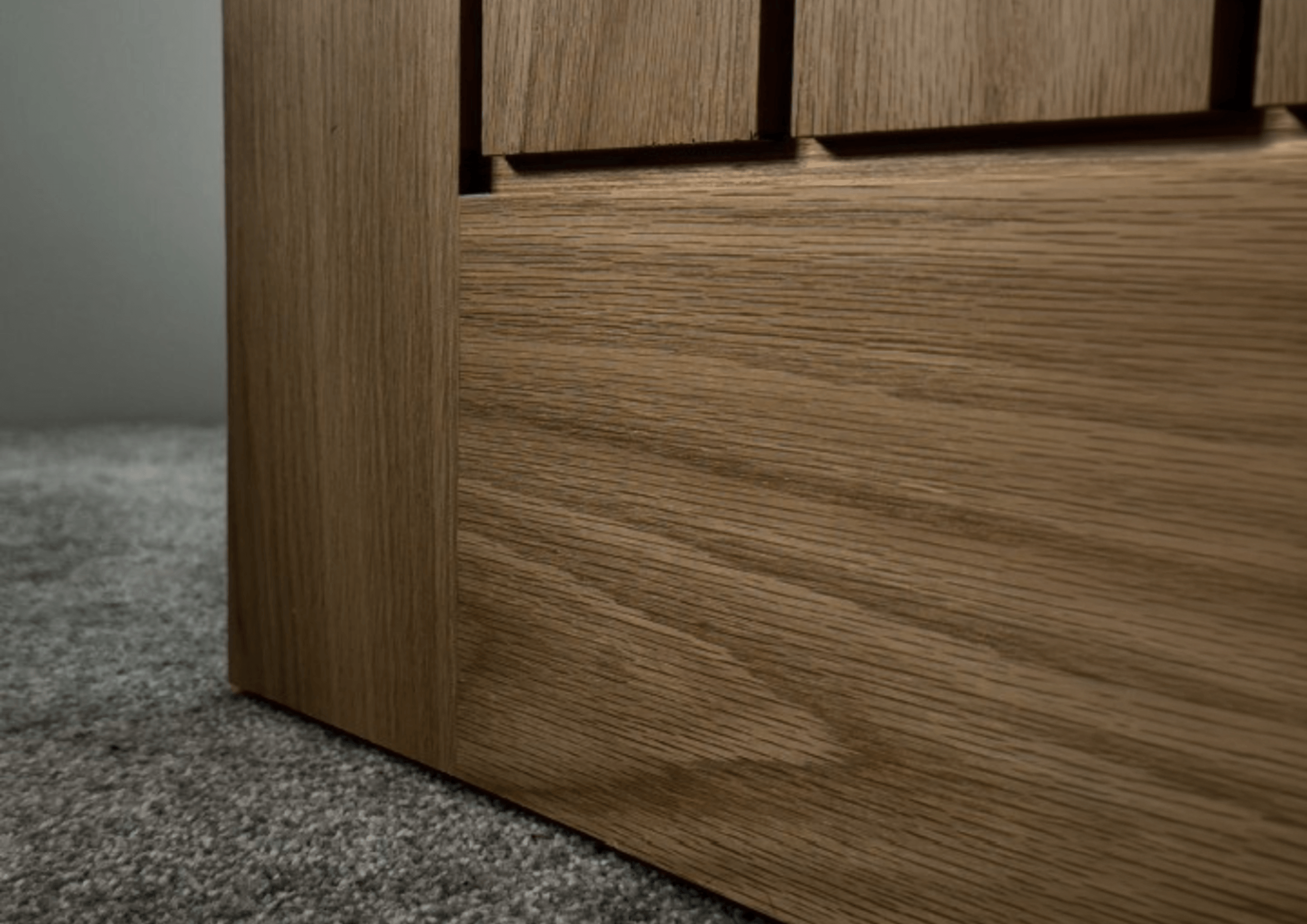
Once you know what to look for, the visual differences between doors become much clearer.
Higher-quality doors tend to show consistent grain patterns across veneers, precise symmetrical panel layouts and clean, well-finished edges.
These details aren’t just about looks, they’re a reflection of the manufacturing process behind the door.
For installers, better detailing often means fewer issues. For homeowners, it results in a more polished, cohesive finish throughout their home.
If you’re trying to make a confident, informed decision, it comes down to focusing on the fundamentals:
Get these right and you’re not just choosing a door, you’re choosing something that will perform properly for years to come.
A quality internal door doesn’t demand attention, but it earns it over time.
It’s in the way it closes smoothly. The way it feels solid under your hand. The way it continues to fit perfectly, even as the seasons change.
For confident installers, it makes the job easier. For homeowners, it makes the home feel finished.
And ultimately, that’s what quality is all about, not just how something looks, but how well it works, day in and day out.


Specialist suppliers of high quality, internal and external folding and french doors. Buy direct for the best price.
Delivery to most mainland UK postcodes within 3-7 working days. Free delivery on orders over £750.
The Climadoor
Guarantee Promise
All of our doors and hardware are guaranteed for ten years against the occurrence of manufacturing faults.
0203 846 0345
Telephone: 0203 846 0345 Email:
[email protected] ©Climadoor Ltd 2021. All rights reserved.
Showroom: Unit 2 Sinfin Central Business Park, Sinfin Lane, Derby DE24 9HL. Buy online or via selected stockists: Vibrant
Doors / Express Doors Direct / Vivid
Doors
Terms & ConditionsRefunds & ReturnsOur Guarantee PromisePrivacy PolicyClimadoor Voucher CodesImage Share - Terms & Conditions Sitemap

Please contact us for details regarding our FSC® certified products.
Rated 4.3 out of 5 by our customers from 944 reviews.