Our Products
Approved Installers
More Information

Find Your Perfect Door...

Free, Fast Delivery Over £750

10 Year Guarantee

Price Match Promise

3500+ Doors Sold A Week

A Tree Planted For Every Review
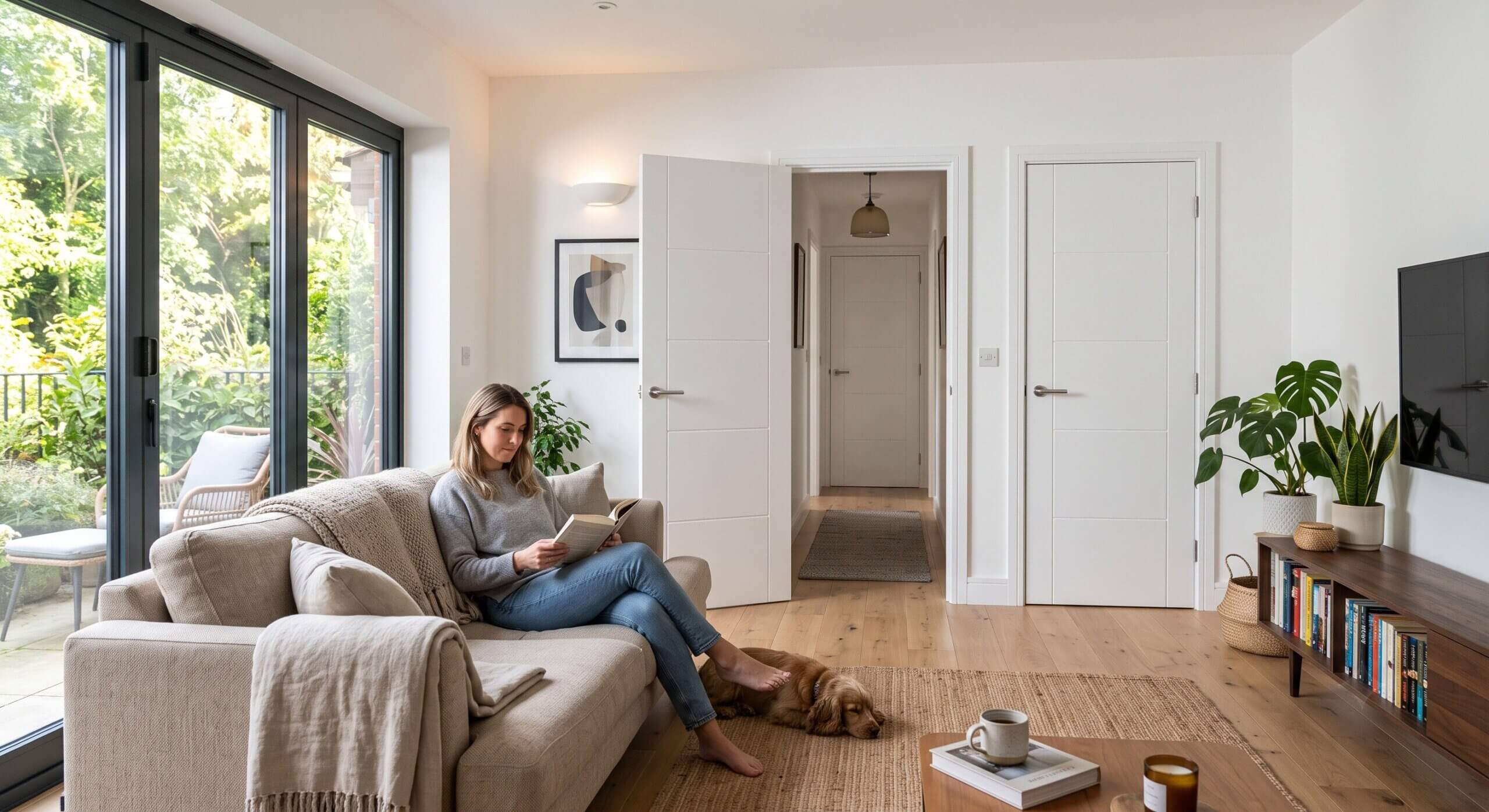
A good quality internal door shouldn’t be treated as a short-term finishing product.
Specified correctly, stored properly, fitted with care and maintained well, an internal door can remain in service for decades. In plenty of older homes, joiners are still working around doors that have already outlasted several kitchens, two questionable wallpaper eras and at least one avocado bathroom suite.
But there’s no single expiry date stamped onto an internal door.
Its working life depends on what it’s made from, where it’s fitted, how accurately it was installed, the condition of the lining and frame, the quality of the finish and the sort of daily life it has to survive.
A lightly used solid timber bedroom door could remain serviceable for 40 years or more. A hollow-core door in a busy rental property may look tired or suffer damage within just a couple of years. A fire door leaf may remain structurally sound for decades, but the complete doorset can no longer be relied upon if the hinges, closer, seals, frame or operating gaps have been compromised.
For joiners, carpenters and specifiers, the useful question is therefore not simply, “How long should an internal door last?”
It’s:
“What should this particular door reasonably withstand and what needs to be done at specification, fitting and handover stage to help it meet or exceed that lifespan?
As a broad guide, a correctly installed internal door can often provide around 20 to 30 years of useful service, while good-quality engineered, solid-core or solid timber doors may last considerably longer.
However, these are practical expectations, not universal warranties.
Approximate service-life ranges might look something like this:
| Internal door type | Broad practical lifespan |
| Lightweight hollow-core door | Around 10 to 20 years |
| Moulded or pressed-panel door | Around 15 to 25 years |
| Solid-core door | Around 20 to 40 years or more |
| Engineered timber door | Around 20 to 40 years or more |
| Well-maintained solid timber door | Around 30 to 50 years or more |
| Glazed internal door | Often comparable with the surrounding door construction |
| Fire door assembly | No simple fixed lifespan. Condition and continued compliance are what matter most |
These figures assume normal internal use, suitable environmental conditions and competent fitting.
They don’t account for water damage, serious impact, incorrect trimming, poor finishing, failed ironmongery or a door being fitted while wet trades are still turning the building into a tropical microclimate.
The door leaf is also only one part of the picture. Hinges, latches, handles, glazing beads, seals and closers may need attention or replacement long before the door itself reaches the end of its useful life.
As Matt Shaw, Technical Director here at Climadoor, explains:
“A well-made internal door can last for decades, but the product only gets part of the way there on its own. Storage, site conditions, fitting, finishing and hardware all influence whether it settles into the building properly or starts developing avoidable problems.”
Internal door life is usually shaped by six main factors:
Some of these are decided at specification stage. Others sit firmly in the fitter’s hands. A few are handed over to the customer, tenant or facilities team once the job is complete.
Long service life comes from getting all three stages right.
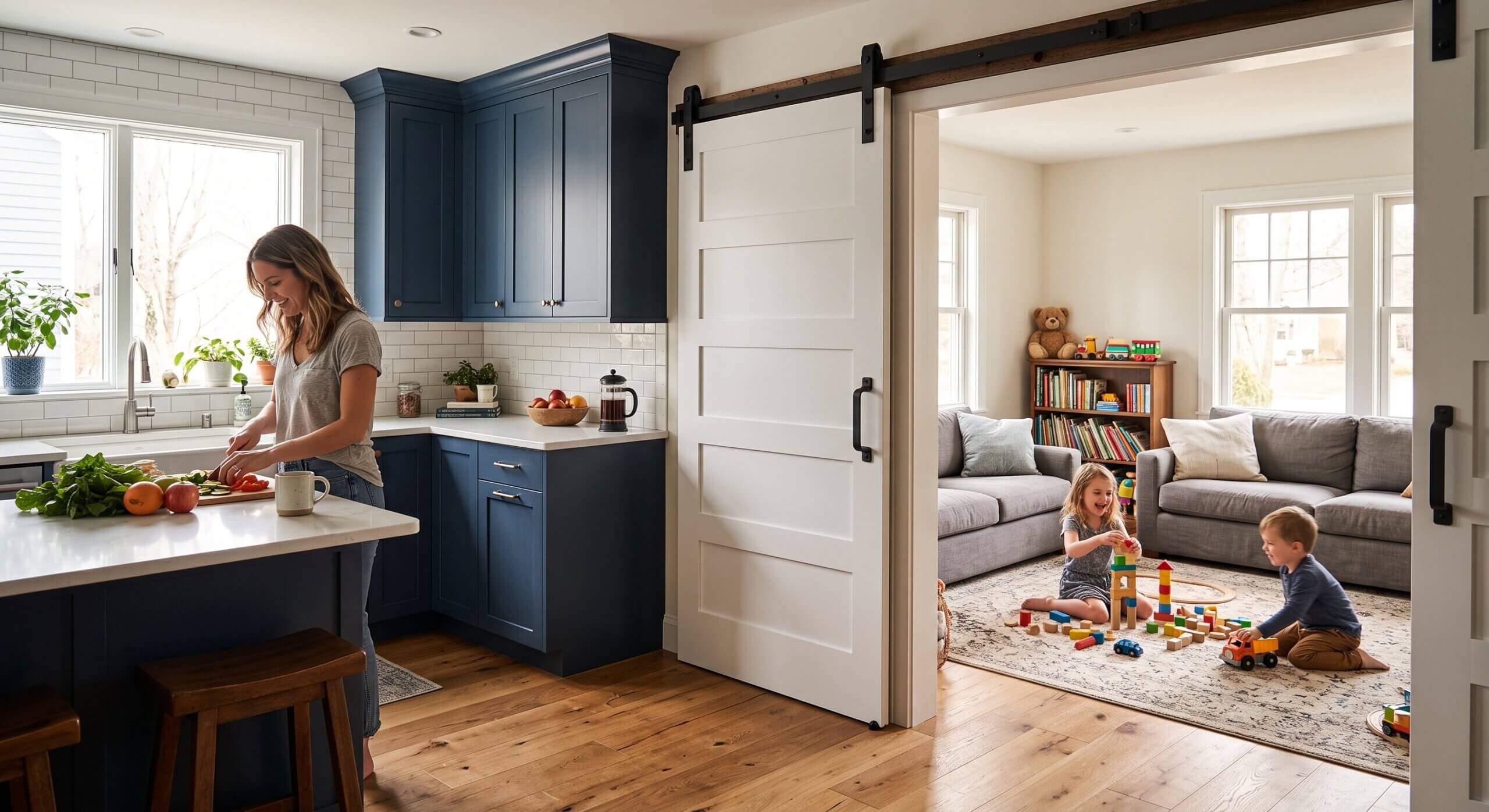
The terms used to describe internal doors are sometimes treated as though they simply indicate weight. In reality, door construction influences durability, repairability, acoustic performance, hardware fixing and how well a door copes with repeated use.
Hollow-core doors (sometimes affectionately known as lightweight or moulded doors) typically use a cellular or honeycomb-style core between outer facings. They are economical, easy to handle and perfectly adequate in many low-impact domestic locations.
They can be a sensible specification for bedrooms, cupboards and lightly used spaces where the budget is tight and additional acoustic performance is not a major priority.
However, hollow-core doors are generally less tolerant of hard knocks, repeated slamming and poorly positioned hardware. Once a facing is punctured or the lightweight core has been seriously damaged, the repair options are limited.
They also rely heavily on their perimeter framing and lippings. Excessive trimming or drilling outside the intended areas can quickly take the installer into territory the door was not designed to be.
A hollow-core door may therefore last many years in a quiet bedroom but have a much shorter life in a busy hallway, rental property, children’s playroom or shared accommodation.
Solid core doors contain a substantially filled core, often made from engineered timber materials or other dense products.
Engineered doors are designed to provide greater consistency and stability than a single, wide piece of natural timber. They’re usually made up of laminated sections, engineered cores, veneers and carefully constructed rails and stiles.
This can reduce some of the movement associated with natural timber, while still allowing the door to keep the appearance and warmth of real wood.
A well-made engineered door is often a strong choice where the specifier wants reliable dimensions, repeatable quality across several openings and a better-quality finished result.
They normally feel heavier and more substantial in use, provide a stronger base for hardware and tend to withstand daily wear better than lightweight hollow-core alternatives. Their additional mass may also help with better sound reduction, although the complete doorset, including gaps and seals, affects real-world acoustic performance.
For busier homes, rental properties, offices and higher-specification renovations, engineered solid-core doors often provide a better long-term proposition.
That doesn’t make them indestructible, of course. Their extra weight needs to be properly supported and the correct number, size and type of hinges must be used in accordance with the door manufacturer’s instructions.
A heavy door hung on inadequate hinges or a tired lining is not “premium”. It is simply a future call-back developing a personality.
Its lifespan still depends on correct storage, permitted trimming and thorough sealing too. A stable product can be made unstable surprisingly quickly if it is stored on edge against a damp wall, fitted into a wet building or left with exposed cut edges.
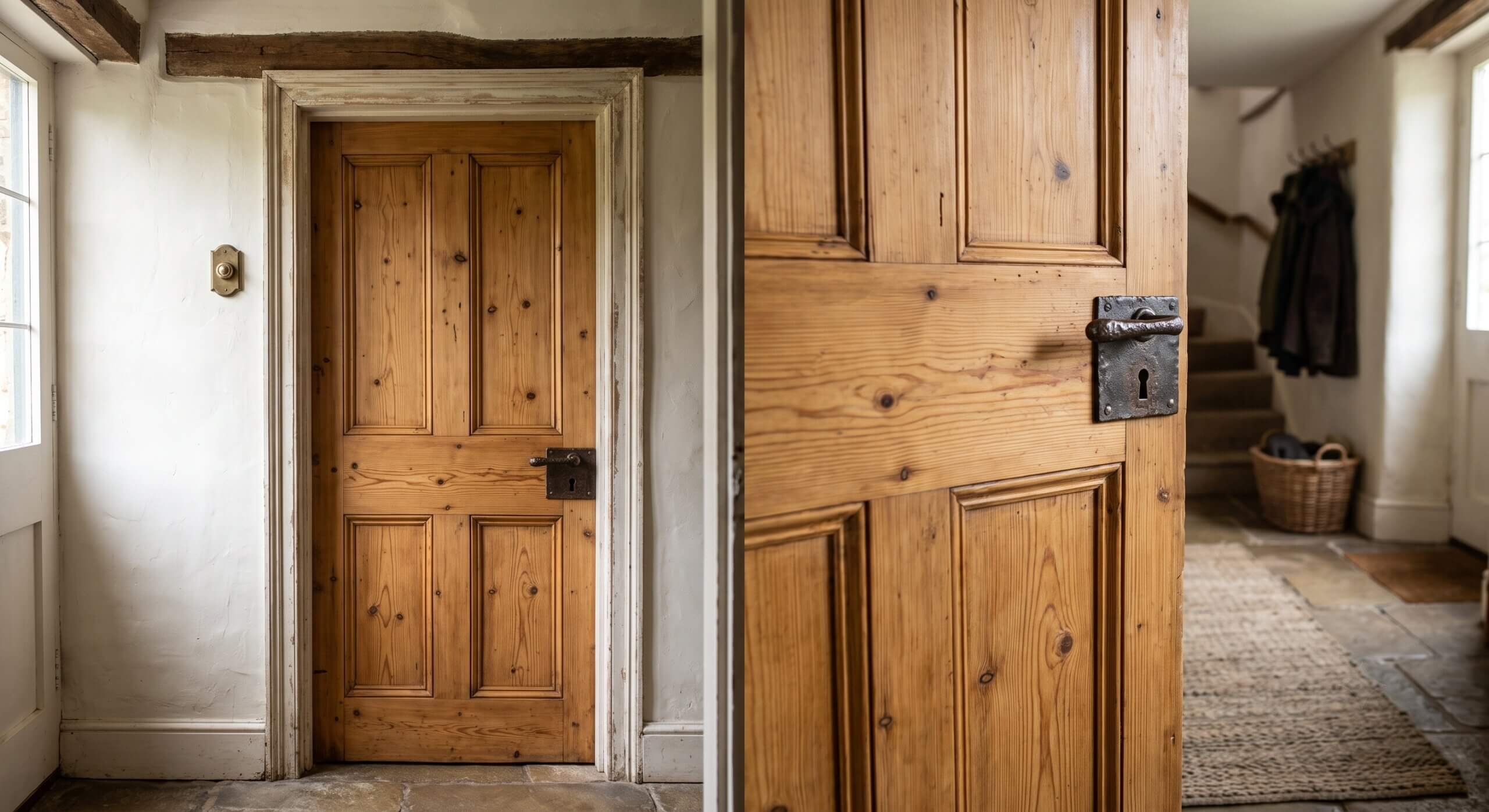
A well-constructed solid timber door can last for generations. Many period doors remain repairable precisely because they were made from substantial sections that can be eased, patched, refinished and adjusted over time.
The trade-off is that natural timber responds to moisture and temperature. Movement is normal. Excessive or uneven movement is not.
Solid timber doors need suitable acclimatisation, competent fitting and a balanced finish across all faces and edges. They may also require occasional seasonal adjustment, particularly in older buildings where humidity levels fluctuate more widely.
For the right project, solid timber offers excellent longevity. It simply needs to be treated as a natural material rather than a perfectly inert slab.
Not automatically, but better materials and construction can improve the odds.
A higher-priced internal door may offer a denser core, thicker or more usable lippings, a more durable factory finish, better-quality veneers, stronger jointing or greater dimensional stability.
Those features can support a longer working life, particularly in a busy location.
However… price cannot rescue poor installation.
An expensive door can still fail prematurely if it’s:
Similarly, a relatively modest door can perform very well if it is suitable for the opening and installed properly.
For trade customers, value is better judged by fitness for use and whole-life performance than by the ticket price alone.
As I’m sure you’ve gathered already, a great deal.
A door that starts life square, stable and correctly supported is far more likely to remain trouble-free. A door forced into a poor opening is already beginning its service life with a handicap.
Before hanging the door, check the opening rather than assuming the old door is the only thing that was wrong.
Look at:
If the lining is badly twisted, simply trimming the new door until it closes may produce inconsistent gaps and leave the door leaf warped.
The door often gets blamed because it is the part everyone can see moving. The frame may be the actual culprit.
Poor storage can shorten the door’s life before it has even reached the opening.
Internal doors should normally be stored flat on a clean, dry, level surface with suitable support. They should not be left standing on an edge, leaning at an angle or bridging across uneven bearers.
Protect them from:
Doors should also be allowed to acclimatise in the area where they’ll be installed, following the manufacturer’s guidance.
This doesn’t mean opening the packaging, leaning the door beside a radiator for an hour and declaring it spiritually ready.
The aim is to let the door adjust gradually to normal internal conditions once the building has dried sufficiently.
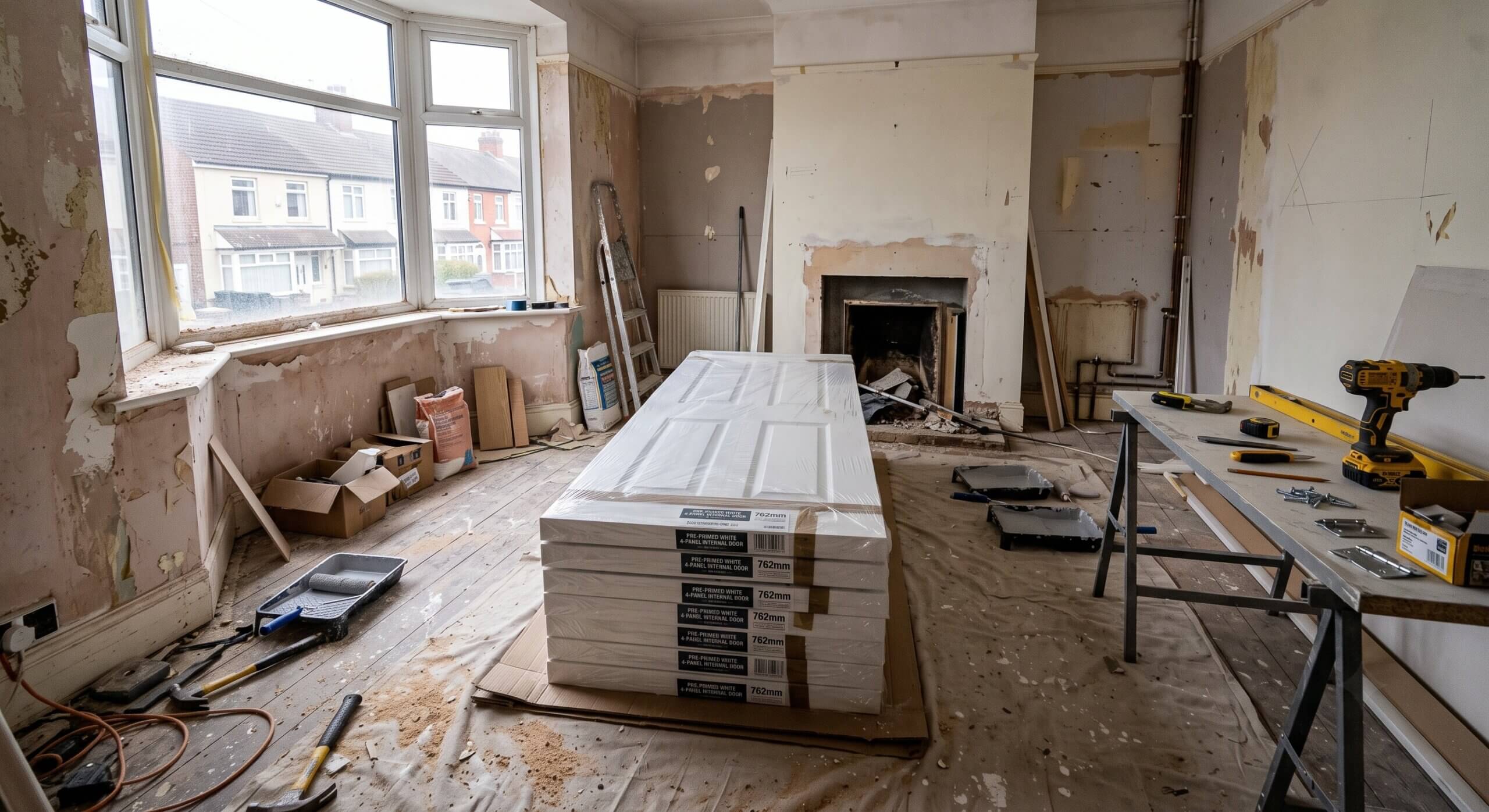
New plaster, concrete floors, screeds and other wet processes release a substantial amount of moisture into the building.
Timber and timber-based products are naturally porous. The moisture levels in new doors are heavily monitored during manufacturing so introducing them to high levels of atmospheric moisture (particularly unfinished doors) can quickly result in swelling, veneer problems, joint movement, mould or distortion.
Fitting doors too early also makes final adjustments difficult. A door that is eased to suit a damp, swollen condition may develop excessive gaps once the building dries out and remedial work may be needed to correct them.
For this reason, doors should not be brought into or installed in an excessively wet environment. The exact needs will vary by manufacturer, so the product instructions should always lead the decision.
Where site pressure is pushing the second fix forward before conditions are ready, it’s worth documenting the concern. Doors are not dehumidifiers with hinges.
Acclimatisation definitely helps the door adjust to a suitable internal environment, but it can’t compensate for an unfinished or saturated building.
Tradespeople should distinguish between:
Moving a cold door directly from a vehicle into a heavily heated room can expose it to a sudden environmental change which will stress the wood. Gradual acclimatisation is always preferable.
One of the simplest ways to shorten a door’s lifespan is to remove more material than its construction allows.
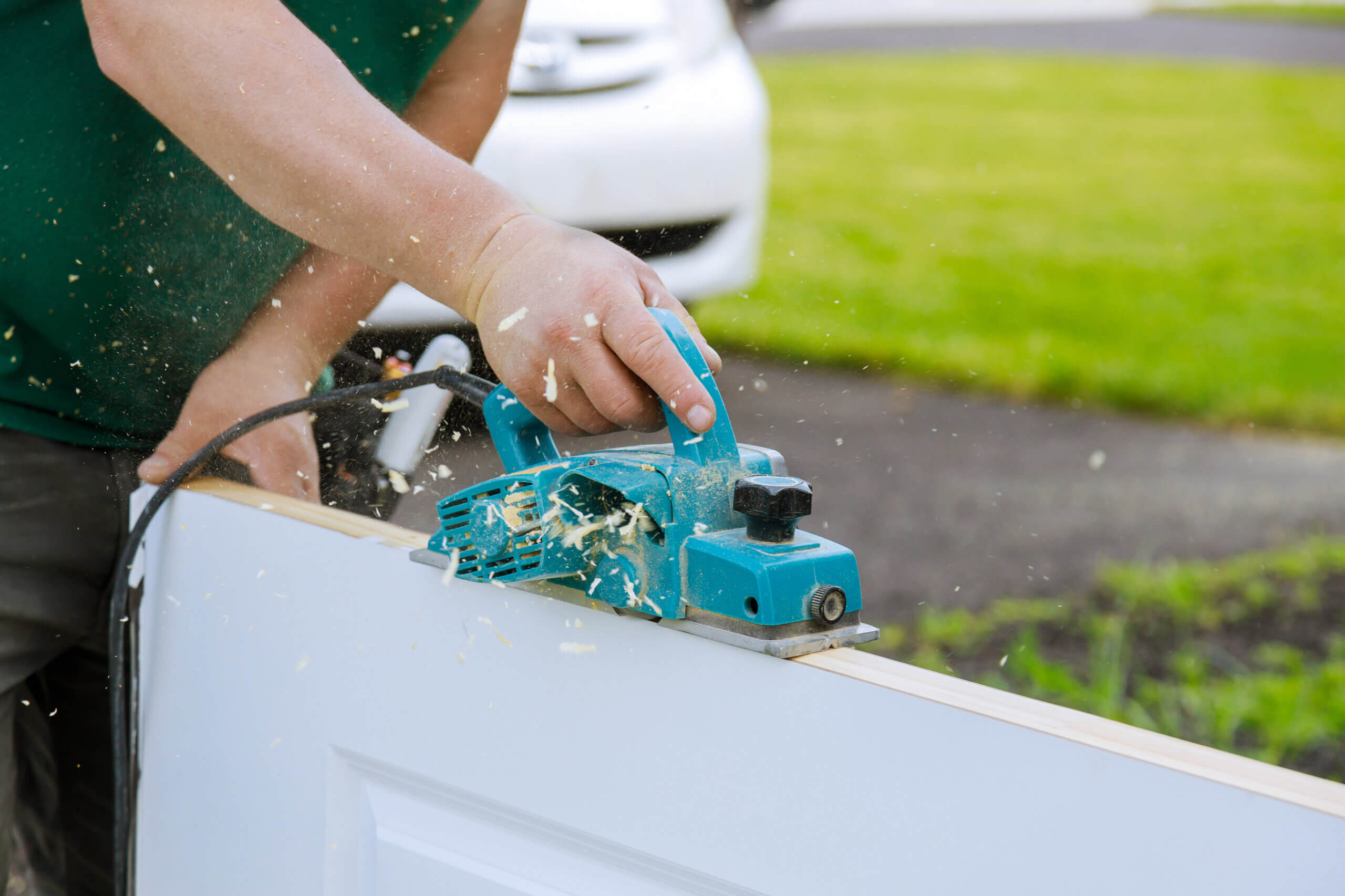
Trimming allowances vary significantly between products. They may also differ between the top, bottom and sides. The only dependable rule is to check the instructions for the specific door before you get stuck into trimming.
Over-trimming can:
When trimming from the width, material may need to be removed evenly from both sides to preserve the design and construction. Again, the product guidance should decide this.
Don’t assume the allowance used on the last door applies to the next one simply because both are white and rectangular. Likewise, different door types from the same range WILL vary, so be sure to check this.
Unfinished or site-finished timber doors rely on complete and balanced finishing. That includes more than the two large faces.
An unfinished door is not a finished product waiting patiently for a quiet weekend. It normally needs to be decorated or sealed in accordance with the manufacturer’s instructions before or immediately after installation.
This is particularly important at the top and bottom. They may disappear from view once the door is hung, but moisture doesn’t lose interest simply because the customer cannot see the edge.
The top, bottom, sides, hinge recesses, latch cut-out and drilled holes all expose the inner material to moisture. If any of these areas are left untreated, the door can absorb or release moisture unevenly.
Uneven moisture movement can contribute to:
Cut edges should be sealed quickly using a finish compatible with the door and the manufacturer’s instructions.
Suitable systems may include door oils, stains, varnishes or paint finishes. Depending on the product, the chosen finish should:
Some paint products, waxes or strongly tinted treatments may not be suitable for certain veneers. Always check first, ideally before a beautifully figured door becomes an expensive test panel.
Pre-finished doors remove much of the site-finishing work, but cut edges and machined areas will still need sealing. “Fully finished” should never be interpreted as “free to machine without reading anything”.
A new finish can protect the surface and seal minor wear, but it won’t correct structural damage, serious distortion or a failing core.
Before refinishing, it’s important to address and repair the cause of any moisture, movement or hardware problem first.
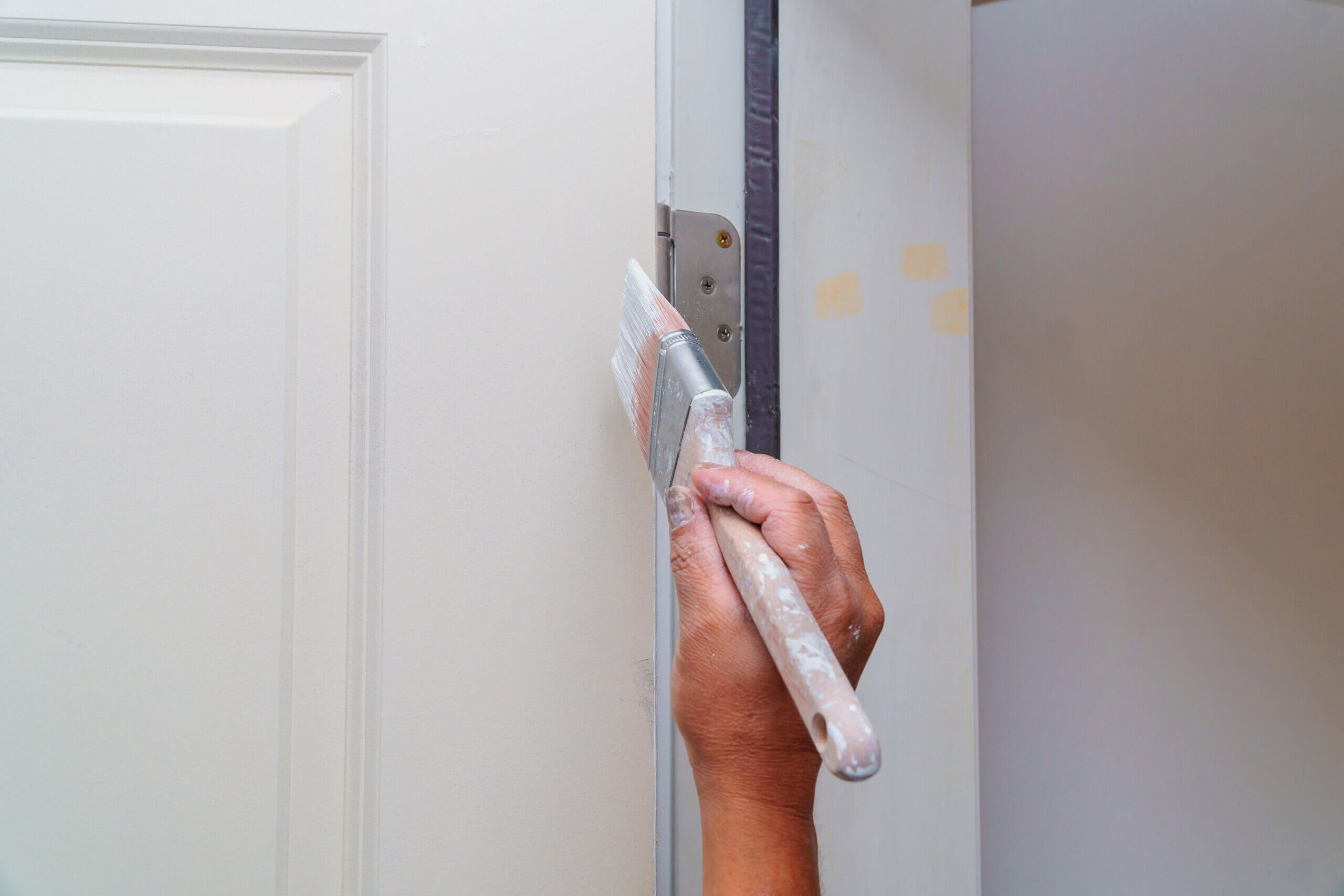
Hinge selection has a direct effect on door longevity.
A competent fitter should consider:
A heavier solid-core or glazed door will usually need more support than a lightweight hollow-core door. Warning signs of inadequate hinge support include:
Problems should be investigated and remedied early. Repeatedly planing the leading edge may hide hinge failure temporarily while steadily reducing the door’s useful material.
Where screw holes have failed, the repair needs to suit the substrate and loading. Simply reaching for a larger screw each time has a natural limit, usually shortly before the lining begins to give up.
Handles, latches, locks, rollers, pivots and closers are mechanical components. They’re likely to require adjustment or replacement during the life of a long-lasting door.
A stiff latch or loose lever doesn’t automatically mean the door has failed, but it can certainly lead to its failure if left to continue as it is.
Early maintenance might involve:
The key is to deal with the cause.
If the latch no longer lines up because the door has dropped, moving the keep may restore operation but leave the underlying hinge problem unresolved.
There is no single lifespan for hinges. Quality, load, fitting, use and maintenance all matter.
A correctly specified hinge can last many years. Undersized, poorly fixed or overloaded hinges may loosen or fail much sooner.

The same door can perform very differently depending on where it’s fitted.
Bedrooms are generally forgiving locations. Humidity is usually moderate, use is relatively light and the risk of hard impact is lower.
A good door installed correctly in a bedroom may remain in service for several decades with little more than occasional adjustment and refinishing.
Hallway doors may be opened and closed far more frequently. They also face knocks from furniture, bags, vacuum cleaners, mobility equipment and general daily traffic.
Solid-core or more robust engineered products are often a better investment in high-use positions.
Hardware quality matters here too. A durable latch and correctly specified hinges can extend the trouble-free life of the installation.
Kitchen doors face frequent use, temperature variation, grease and regular dips and rises in humidity.
A suitable, well-sealed door should cope well, but maintenance of the finish is important. Persistent steam should be managed through appropriate ventilation rather than expected to disappear on its own.
Glazed doors are popular in kitchens because they allow light to travel between rooms. The glazing, beads and surrounding timber should be checked regularly, especially if the door begins to rattle or if moisture is affecting the finish.
Much like kitchens, utility rooms may combine moisture, heat and frequent traffic. Washing machines and tumble dryers can contribute heavily to vibration and humidity.
The door should suit the environment and the room should be ventilated properly. A stable construction and durable finish are particularly valuable here.
Bathrooms are among the most demanding domestic locations for internal doors.
High humidity, condensation and splashing can affect timber and timber-based components very quickly, particularly where ventilation is poor.
A bathroom door will last longer when:
The door should not be used to mask a wider condensation problem. If the room remains persistently damp, the building needs a ventilation or moisture investigation, not a ceremonial recoat of varnish.
They can if humidity is high or the room is poorly ventilated.
A correctly sealed door in a well-ventilated bathroom should still provide a long service life. Persistent condensation or splashing can accelerate swelling and finish failure, though.
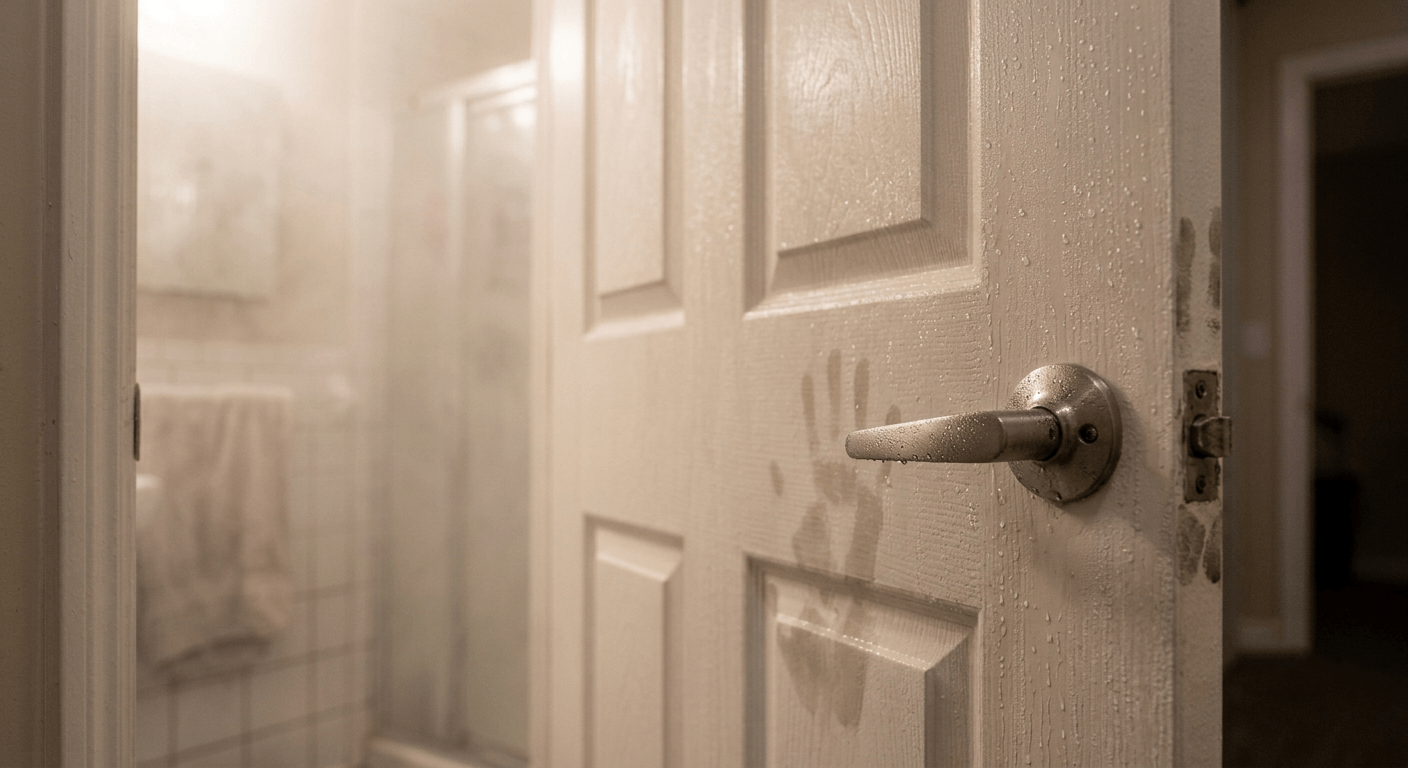
A door between a heated home and a cold or intermittently heated space may experience quite different conditions on each face.
Not every standard internal door is suitable for this situation.
Where there is a significant temperature or humidity difference, check whether the chosen product is approved for the location. A door between a house and an integral garage may also need to be a suitable fire door set, subject to the building design and applicable regulations.
Rental homes, student properties and shared accommodation often place heavier demands on internal doors.
Doors may be used more frequently, suffer more impact and receive less routine maintenance between visits.
For these projects, specifiers should prioritise:
A cheaper first purchase is not always the lower-cost choice in the long run, especially across several tenancy cycles.
Very much so. A quiet one-person household and a busy family home can subject identical doors to completely different levels of wear.
Door life may be reduced by:
This doesn’t mean every family home needs industrial-strength doors. It means the product should match the likely use.
For busy homes, a solid-core door, durable finish and good-quality hardware can be worth the extra investment, whereas hollow-core doors will likely do what they need to in quieter, less busy homes.
A door stop is also a remarkably cost-effective product to help mitigate a few of these issues. It lacks glamour, but then so does a lever handle that’s punched through fresh plaster.
Sudden or uneven heating can contribute to moisture movement in timber and timber-based doors.
Problems are most likely to arise when doors are moved rapidly from cold storage into a hot room, positioned close to direct heat or left unfinished.
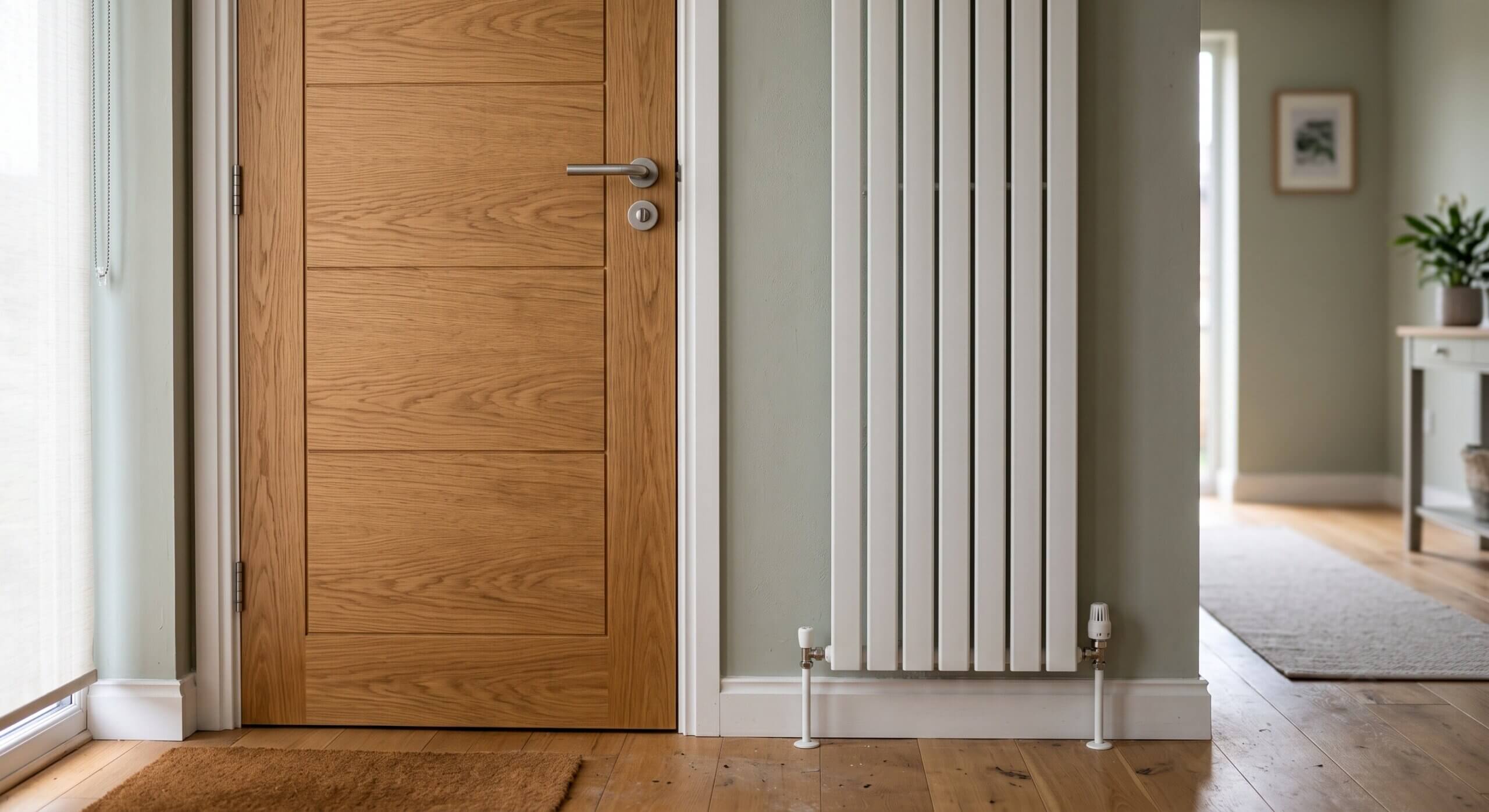
Good quality glazed internal doors can last just as long as any comparable solid doors.
The glass itself doesn’t usually determine the service life. The surrounding construction, glazing method, beads, finish, hardware and level of impact are more important.
Glazed doors are generally heavier, so hinge selection and frame condition need attention.
Tradespeople should also inspect:
Glazing in doors is treated as a critical location because of the risk of human impact. Where glass is replaced, the job should be approached as a safety matter, not a decorative repair using whatever offcut happens to be nearby.
With multi-pane designs, damaged individual panes may sometimes be replaceable. With proprietary or fully assembled glazed doors, the manufacturer’s construction and instructions should be checked before dismantling anything.
They need much the same care as other internal doors, plus occasional checks of the glass and glazing beads.
Don’t ignore cracks, chips, looseness or rattling. Any replacement glazing must be suitable for use in a door.
Ordinary safety glass doesn’t have a routine replacement interval simply because it’s old.
Replacement may be necessary when the glass is cracked or chipped in a way that affects safety, loose, incorrect for the location, scratched or damaged beyond an acceptable finish or if it’s part of a failed proprietary glazed system.
Double-glazed internal systems are less common than single safety-glazed doors, but where an insulated unit is used, misting between panes usually indicates seal failure within the unit.
The surrounding door may still be serviceable, though even if the glazing unit needs to be replaced.
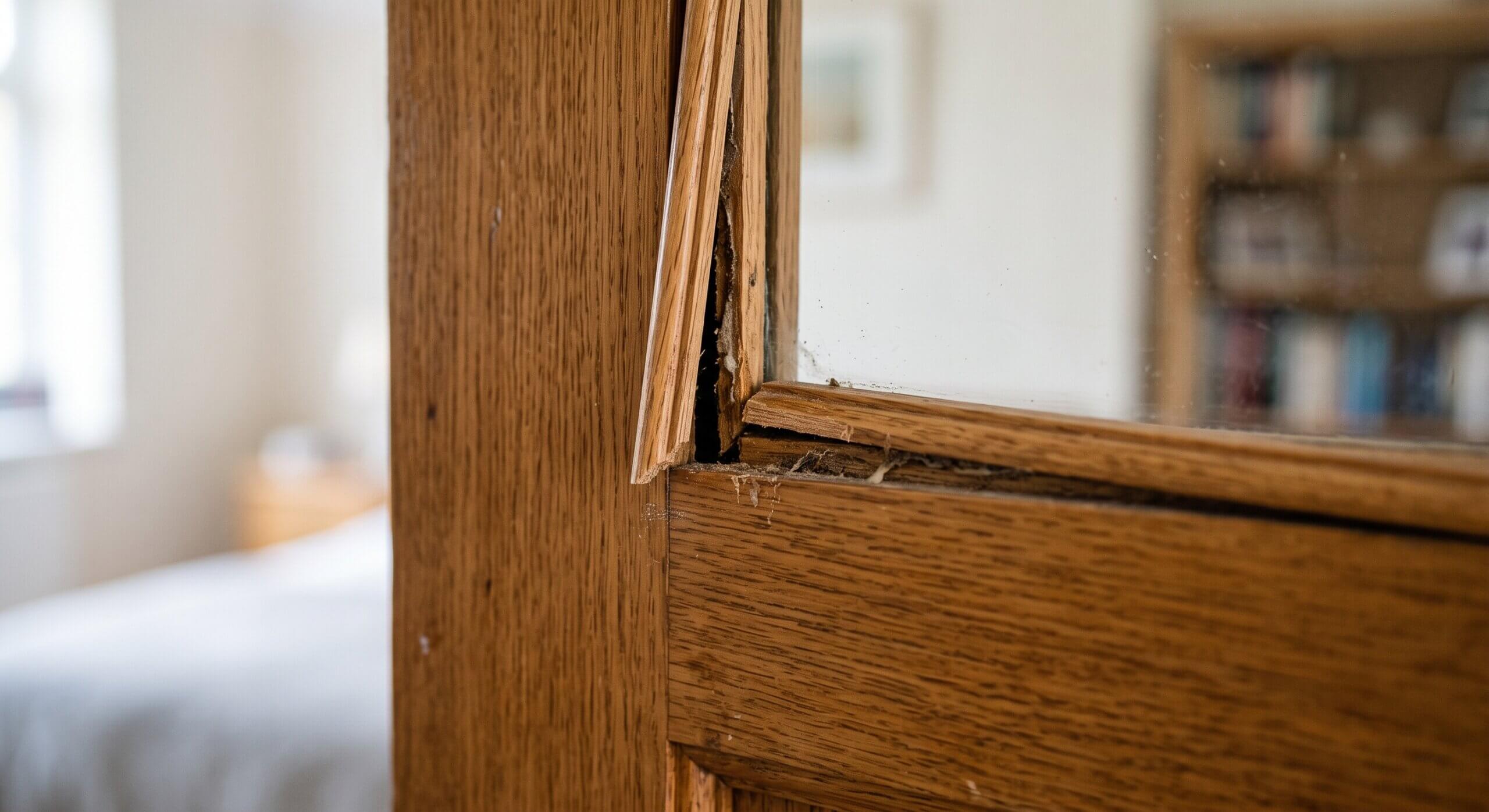
Fire doors don’t have a simple universal expiry date. A fire door may remain serviceable for many years, but its performance depends on the complete installed assembly, not merely the condition of the door leaf itself.
That assembly may include:
A solid-looking fire door can still be defective if it doesn’t close correctly, has excessive gaps, has damaged seals or has been modified beyond the scope of its limits.
Fire doors shouldn’t be treated like ordinary doors with a thicker leaf. Before trimming, glazing, installing hardware or repairing damage, check the manufacturer’s instructions, certification or test evidence. Unauthorised alterations may undermine the performance of the doorset.
The question with a fire door is not simply how old it is. The question is whether the entire doorset remains in the condition and configuration needed to perform. The leaf, frame, gaps, hinges, seals and closer all have to be looked at together.
Not purely because of age, no.
Replacement becomes necessary when the doorset is damaged, cannot be restored to an acceptable condition, has been altered improperly or no longer satisfies the requirements for its location.
Regular inspection is essential. In higher-risk, communal and managed buildings, checks will be needed under specific fire safety duties and maintenance regimes.
Many faults can be repaired, particularly on substantial timber or engineered doors. Hollow core doors, less so.
Possible repairs include:
The repair should leave the door structurally sound, visually acceptable and suitable for its intended role.
A repair that’s reasonable for an ordinary bedroom door may not be appropriate for a certified fire door, so don’t assume one fix for one door will work for another.
Often, yes.
Older solid timber doors can be highly repairable. If the door suits the property and remains structurally sound, easing, patching, adjusting and refinishing may be preferable to replacement.
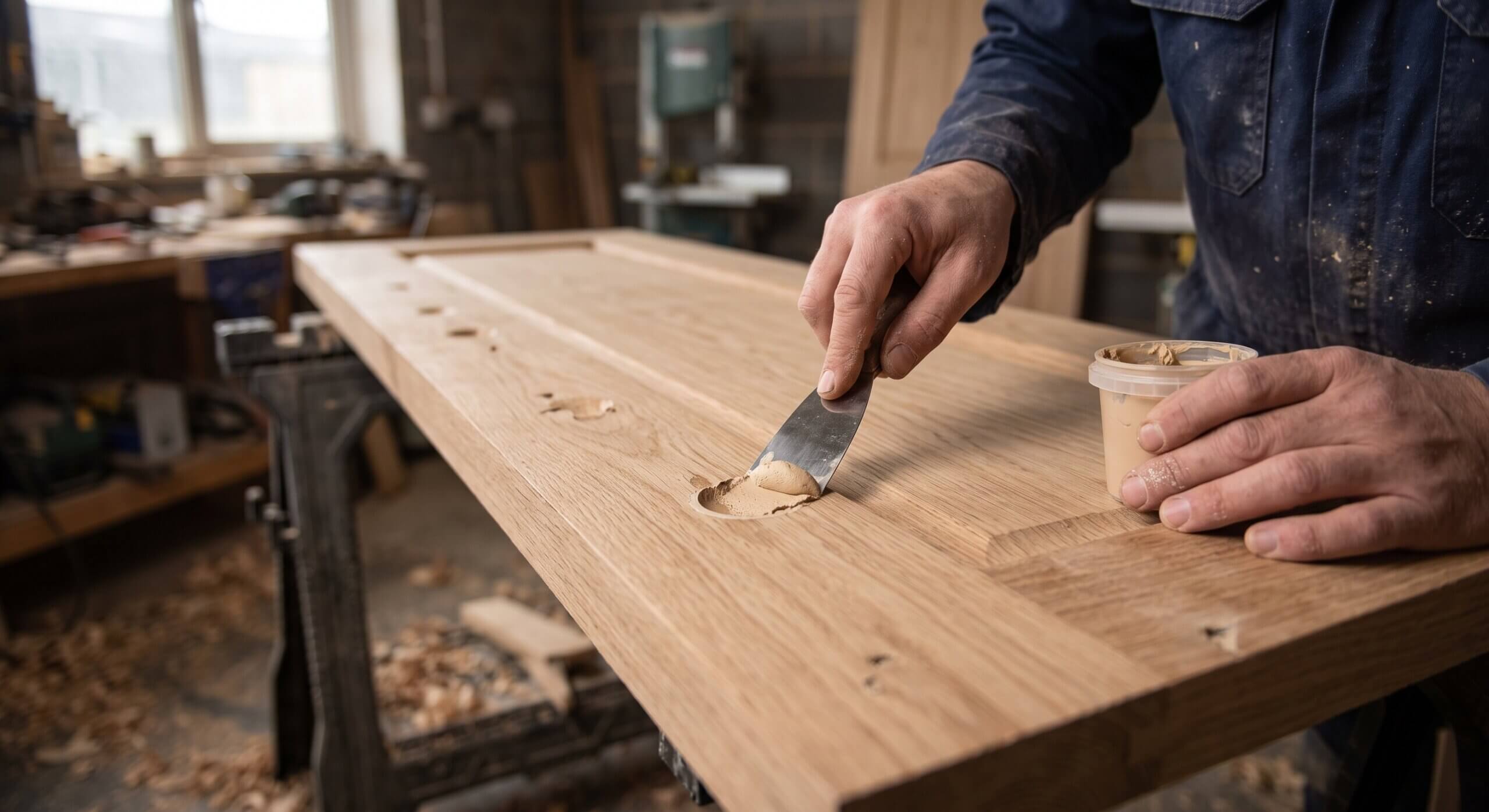
A door shouldn’t be condemned merely because it sticks. Sticking is a symptom, not a diagnosis. Check the hinges, lining, moisture conditions, floor level and seasonal movement before altering or replacing.
Replacement is generally the better option when there’s severe or persistent distortion, widespread delamination, a punctured or crushed lightweight core, major splitting around hinges or locks, or extensive water damage.
A replacement should definitely be sought if there’s loose or unsafe glazing that can’t be secured properly, repeated hardware failure caused by a degraded core or edge, mould growth or damage that compromises fire-door performance, because all of these issues can cause serious harm if left unresolved.
Sometimes. The first task is to determine whether the door leaf is genuinely warped or if another element of the door set is causing issues.
A door can appear distorted because:
Remove or release the door and assess it against a known flat reference where practical.
Minor timber movement may settle as conditions stabilise. Hinge adjustment, frame correction or careful easing may also solve the problem.
Severe or permanent distortion is harder to correct reliably, particularly in veneered, moulded or lightweight doors. Attempts to force a badly bowed door flat can create new stresses without producing a lasting repair.
For a fire door, distortion and gaps must be assessed against the requirements for the doorset. Improvised correction is not acceptable in this instance.
Everyone wants to get the maximum out of their new internal doors, so here are a few key ways to make sure they remain at their best for a long time:
Specify the right construction: Match the door to the expected level of traffic, privacy, acoustic need, environmental conditions and hardware. Don’t use a lightweight product in a location that clearly demands something more robust simply because it saves a few pounds at first fix.
Inspect the product thoroughly on arrival: Check for transport damage, bowing, finish defects and incorrect sizes before the doors disappear into site storage. Problems are easier to resolve before machining and fitting.
Store doors flat and dry: Use level bearers, protect the faces and keep doors away from wet surfaces, direct heat and strong sunlight.
Let the building dry out: Do not install timber-based doors while moisture from plaster, screed or concrete remains excessive.
Follow product-specific trimming instructions: Do not rely on remembered allowances from another range.
Seal cut surfaces immediately: Treat edges, recesses and holes according to the manufacturer’s finishing guidance.
Use suitable hinges and hardware: Account for the door’s weight, dimensions, use and any fire requirements.
Correct the lining before sacrificing the door: If the opening is twisted or insecure, address it properly before touching the door.
Maintain proper ventilation: Bathrooms, kitchens and utility rooms need moisture control.
Adjust faults early: A dropped door places extra load on hinges, latches and edges. Small defects tend to invite friends if ignored.
Give the customer useful handover advice: Explain how to clean the finish, when to report sticking, why wet towels should not live over the door and why drilling new hooks into a fire door is not a harmless Sunday project.
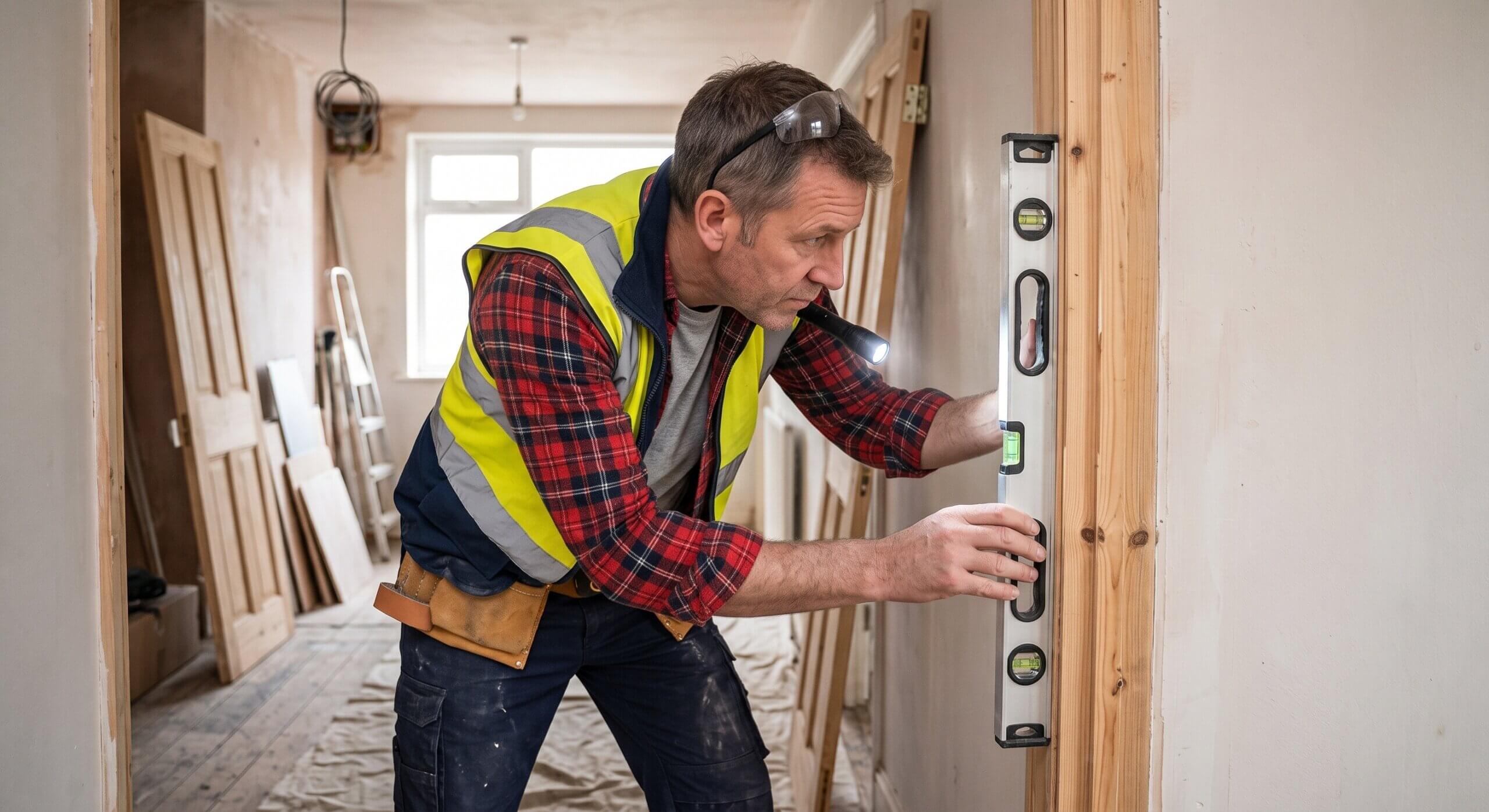
Before fitting, confirm:
At completion, check:
This isn’t glamorous work, but neither is returning six months later to shave another few millimetres from a door that was never the real problem.
In normal domestic conditions, a reasonable internal door should provide many years of service and a well-specified solid-core, engineered or timber door can remain in use for several decades.
The real lifespan is decided by more than the door itself.
It begins with matching the construction to the location. It continues through dry storage, sensible acclimatisation, accurate trimming, properly sealed edges, suitable hinges and a sound frame. It’s then protected by ventilation, basic maintenance and early attention to small faults.
For joiners and carpenters, much of the value lies in the details nobody notices once the job is finished. A level head. A stable lining. Clean hinge recesses. Sealed machining. The correct gaps. Hardware that suits the weight.
Customers may never admire those details individually. They will simply notice that the door still closes neatly years later.
And that, for a working internal door, is rather the point.


Specialist suppliers of high quality, internal and external folding and french doors. Buy direct for the best price.
Delivery to most mainland UK postcodes within 3-7 working days. Free delivery on orders over £750.
The Climadoor
Guarantee Promise
All of our doors and hardware are guaranteed for ten years against the occurrence of manufacturing faults.
0203 846 0345
Telephone: 0203 846 0345 Email:
[email protected] ©Climadoor Ltd 2021. All rights reserved.
Showroom: Unit 2 Sinfin Central Business Park, Sinfin Lane, Derby DE24 9HL. Buy online or via selected stockists: Vibrant
Doors / Express Doors Direct / Vivid
Doors
Terms & ConditionsRefunds & ReturnsOur Guarantee PromisePrivacy PolicyClimadoor Voucher CodesImage Share - Terms & Conditions Sitemap

Please contact us for details regarding our FSC® certified products.
Rated 4.3 out of 5 by our customers from 944 reviews.