Our Products
Approved Installers
More Information

Find Your Perfect Door...

Free, Fast Delivery Over £750

10 Year Guarantee

Price Match Promise

3500+ Doors Sold A Week

A Tree Planted For Every Review
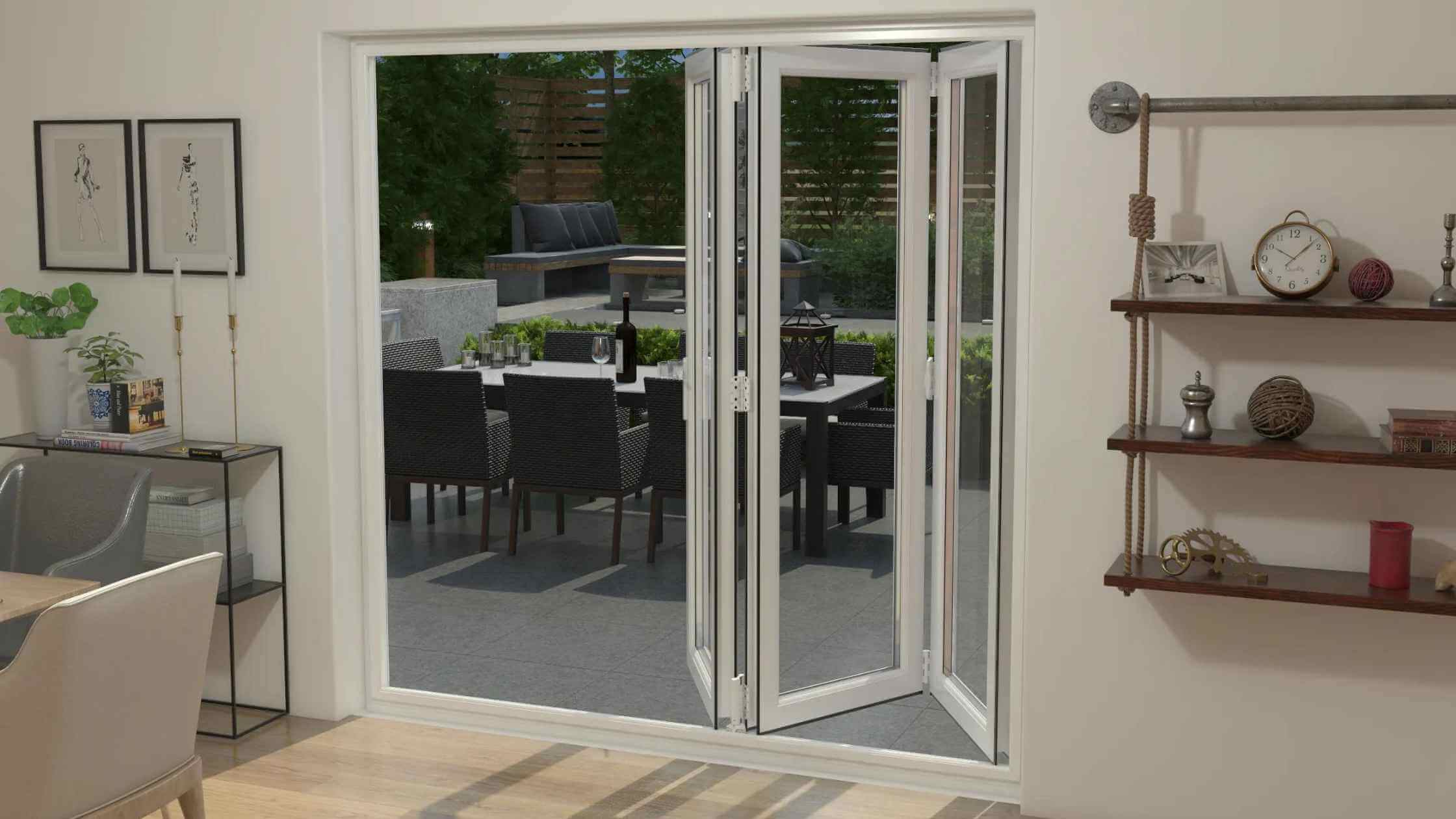
Imagine standing by your patio door on a crisp winter morning. A gentle beam of sunlight streams through the glass, but as you reach for the handle, you feel a cold draught nipping at your fingers. That little chill is a sign your door might be working against you, letting precious heat escape and driving your energy bills up.
At Climadoor, we believe that a well-chosen door should feel like a solid shield against the elements. But how do you really know if your door is energy efficient? Whether you’re a homeowner planning to upgrade your patio doors, or a tradesperson advising clients, understanding the basics of door energy performance can make all the difference.
In this guide, we’ll explain what makes a door energy efficient, how to tell if yours is doing its job, and how Climadoor’s range of external and patio doors can help you achieve a cosier, more energy-conscious home.
Think of a door as more than just a way in or out of your home. It’s part of your building’s thermal envelope, the barrier that keeps warmth in during winter and heat out during summer.
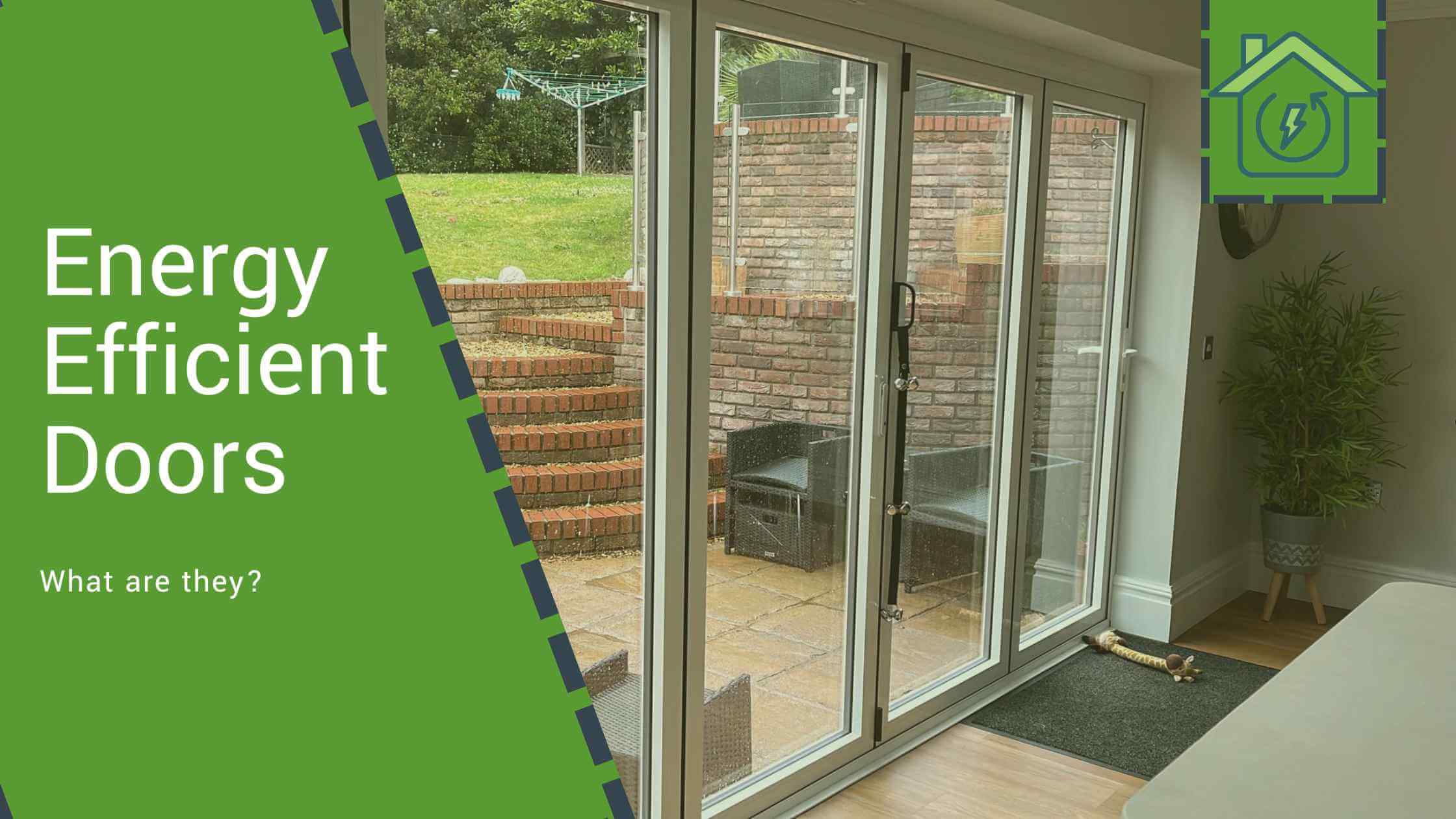
An energy-efficient door is one that minimises heat transfer, conserving thermal energy. This means:
It doesn’t leak warm air around its edges.
It’s made from materials that minimise the amount of heat lost.
If it has glazing, the glass is designed to trap warmth inside.
Energy efficiency is often measured using a U-value. This figure tells you how well a product prevents heat from passing through it. The lower the U-value rating, the better the insulation.
In depth: Learn more about u-values, what they are and how they’re calculated.
Current UK building regulations for external doors typically require a U-value of 1.4 W/m²K or lower. This is outlined in Part L (the conservation of fuel and power).
Some of our Climadoor patio doors achieve U-values as low as 1.2 W/m²K, meaning they not only comply with but can exceed current building regulations.
You can learn more about energy efficient doors from the Energy Saving Trust. Doors and windows are a key area for a home’s overall energy rating (or EPC score).
In a large scale analysis of EPC ratings, the majority of homes in the UK were placed in Band D, which shows there’s a lot of room for improvement in older properties (Office for National Statistics (ONS), released 8 October 2024, ONS website, article, Energy efficiency of housing in England and Wales: 2024)
Older glazed doors may have been installed before building regulations were so stringent, and may not be in line with today’s standards. Updating them could help to improve your home’s overall energy rating, as well as saving money on your utility bills.
There are a few practical checks you can do at home to get an idea of how thermally efficient your windows and doors are:
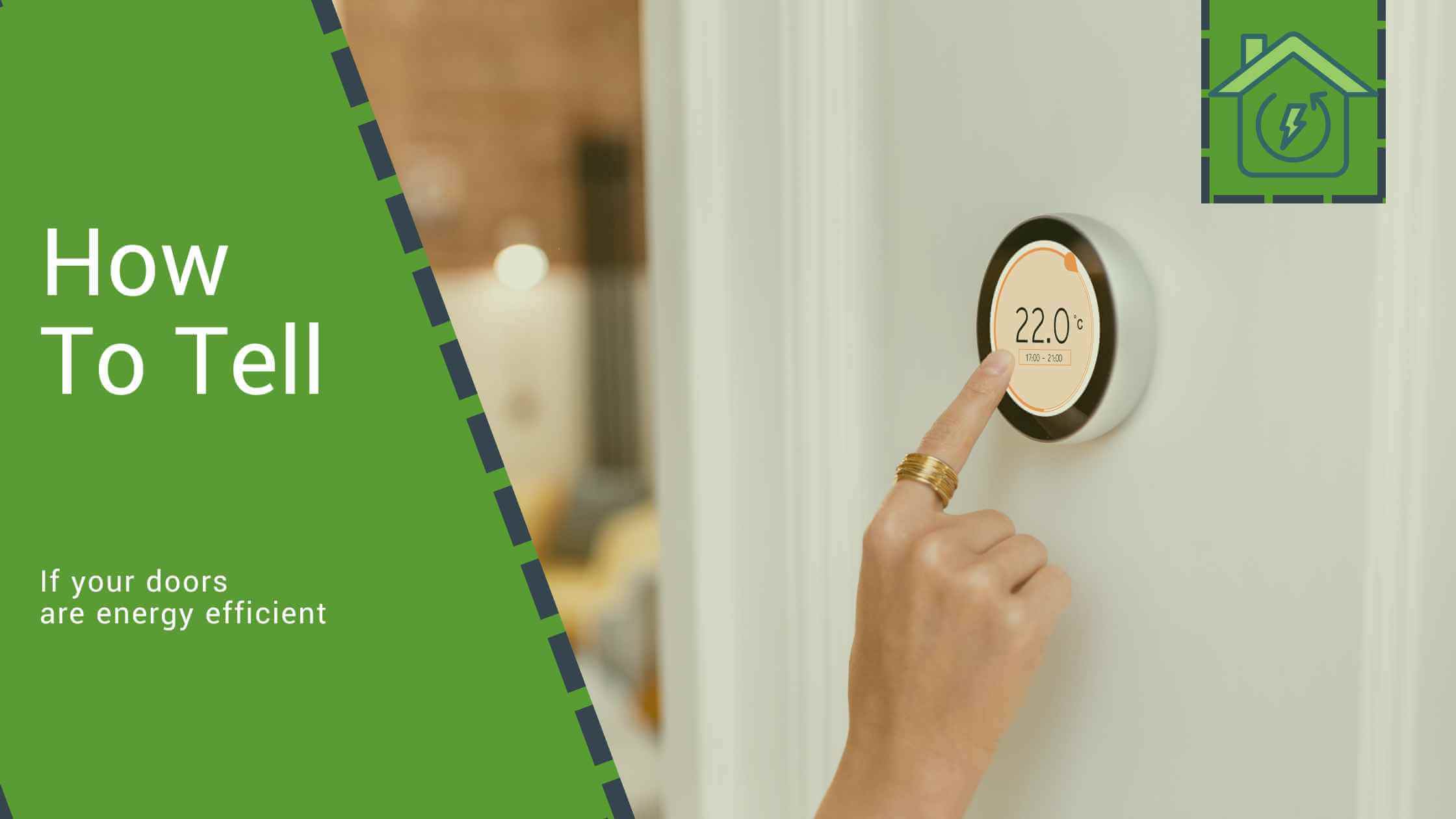
Check product labels or brochures. Quality doors will list their U-value. If it’s below the legal limit, that’s a strong sign it’s energy efficient.
On a chilly day, run your hand along the edges and bottom of the door. If you feel cold air seeping through, the seal might be failing.
If your glass doors feel icy to the touch or show excessive condensation, they may be poorly insulated.
A noticeable rise in heating costs or uneven temperatures in a room often points to a weak spot in your home’s thermal envelope.
Our thermally broken aluminium frames, used in Climadoor’s aluminium framed patio doors, are a prime example of modern design that enhances energy performance. A ‘thermal break’ is essentially an insulating barrier inside the frame that stops heat travelling through the metal, a bit like a jumper stopping warmth escaping your body.
If energy efficiency is your goal, certain door types have the edge:
Modern patio doors can be as energy efficient as solid doors thanks to innovations like argon-filled double glazing, low-e glass and warm-edge spacer bars. Our range of bifold, French and sliding doors is built to maximise insulation while letting in plenty of natural light.
We offer both aluminium and upvc doors, and both offer great thermal performance. UPVC is a natural insulator, and our aluminium frames use a thermal break to make them just as energy efficient as other materials.
See all patio doors.
At Climadoor, we’ve carefully designed our patio doors so you don’t have to choose between style and substance. Our aluminium doors combine sleek frames with energy-saving technology, so you can enjoy wide-open views without sacrificing warmth.
These tend to provide good insulation due to the density of the materials. A composite door offers excellent thermal performance as it’s designed with insulating materials.
See all external doors.
While they don’t face the outdoors, solid-core internal doors can help keep heated areas of your home separate from cooler ones, improving overall efficiency.
See all internal doors.
Replacing an old, inefficient door is often the best long-term solution, but there are steps you can take in the meantime:
Improve Seals: Add or replace weatherstripping around the edges.
Install a Draught Excluder: A simple addition to the bottom of the door can block cold air.
Add Secondary Glazing: If your patio doors are single-glazed, secondary glazing can be a quick way to reduce heat loss.
Curtains and Blinds: Heavy, insulated curtains can provide an extra layer of thermal protection, especially at night.
Upgrading to a modern Climadoor solution will naturally take you further. Our doors are factory-fitted with high-performance seals and glazing, so there’s no need for after-the-fact tweaks.
When it comes to insulation, it’s all about the materials and design:
Composite and Solid Timber Doors excel as front doors because of their thickness and density.
Patio Doors with Argon-Filled Double (or Triple) Glazing provide exceptional insulation. Argon is a colourless, odourless gas that’s heavier than air, so it slows down the transfer of heat between the panes of glass.
By combining thermally broken aluminium frames with argon-filled double glazing, our patio doors achieve excellent insulation while maintaining a sleek, contemporary look.
It might sound old-fashioned, but yes. Closing doors between heated and unheated areas helps conserve energy.
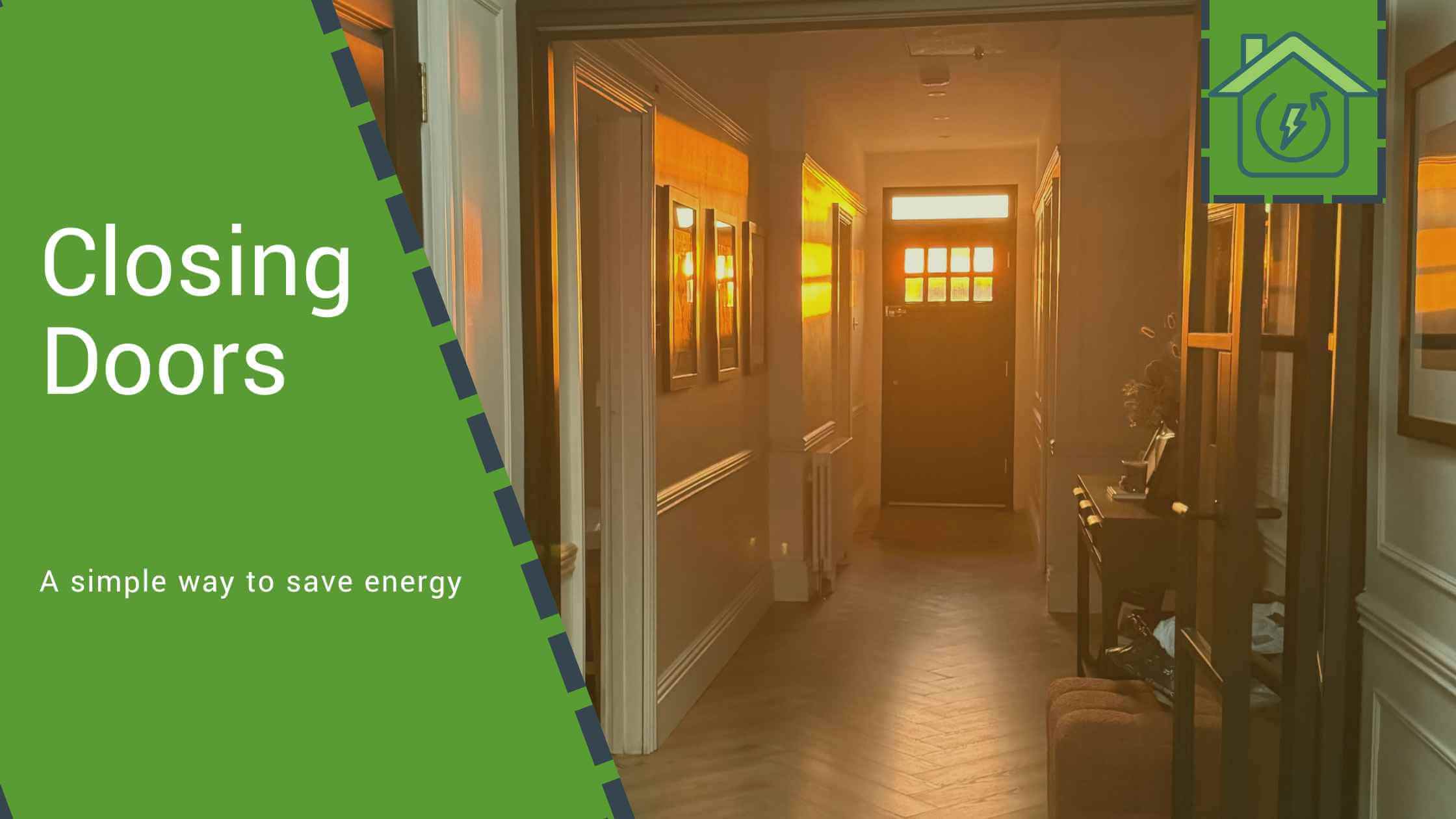
Picture your home as a series of cosy little pockets. Leaving doors open allows warm air to escape into cooler rooms or hallways, forcing your heating system to work harder. By simply keeping internal doors closed, you create smaller zones that stay warmer for longer, reducing overall energy consumption.
Just like patio doors, some types of internal door will offer better thermal performance than others. If you’re looking for the most energy efficient doors for your interior, opt for a solid core. Wooden doors are naturally insulating and will perform well if they’re fitted correctly and kept closed.
Choosing an energy-efficient door isn’t just about numbers on a spec sheet; it’s about how those doors make you feel. Imagine coming home on a rainy autumn evening, closing your Climadoor patio doors, and instantly shutting out the chill.
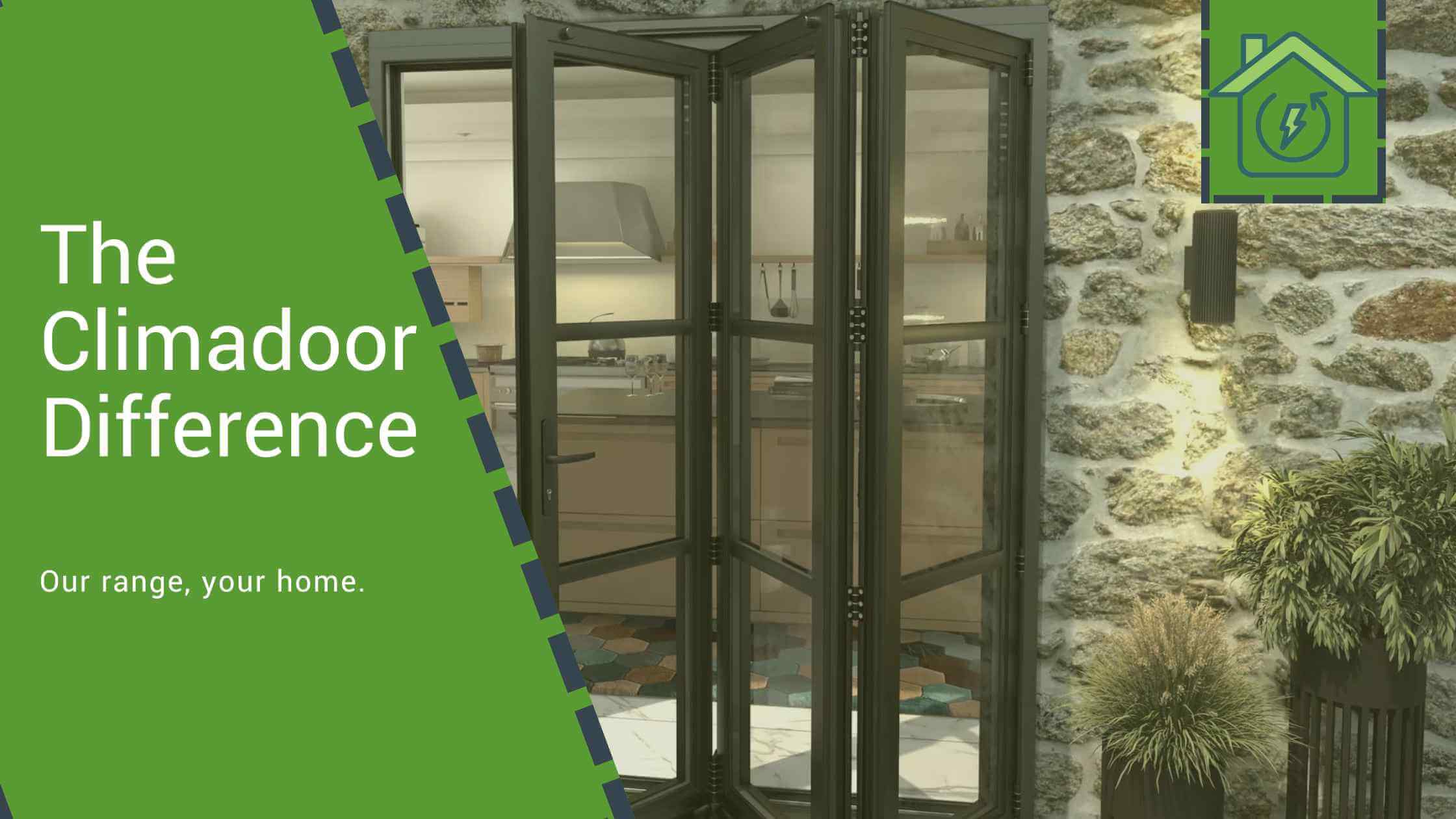
Here’s what sets our range apart:
Low U-Values: Our doors typically achieve 1.4 W/m²K or better.
Thermally Broken Aluminium Frames: Prevents heat loss through the metal frame.
Argon-Filled Double Glazing: Reduces heat transfer through the glass.
Building Regulation Compliance: All our products meet or exceed current UK energy efficiency requirements.
Priced For Your Budget: We know we’re not the only ones to offer these benefits, but we work hard to bring them to you at a price you can afford without compromising on quality.
When you choose a Climadoor product, you’re investing in both comfort and lower energy bills, while maintaining style.
Thermal efficiency in doors isn’t just a technical box-ticking exercise; it’s about creating a home that feels warm, welcoming, and cost-effective to run. Whether you’re a homeowner looking to reduce bills or a tradesperson wanting to recommend the right solution to your clients, understanding these principles gives you the power to make better choices.
Next time you stand by your patio door on a frosty morning, ask yourself:
Do I feel a draught?
Are my energy bills higher than expected?
Could my doors be working harder for me?
If the answer to any of these is ‘yes’, it might be time to upgrade. With Climadoor’s energy-efficient range, you’re not just buying a door, you’re creating a barrier that works tirelessly to keep your home snug and sustainable.
Explore Climadoor’s range of energy-efficient patio and external doors today and take the first step towards a warmer, more energy-conscious home.


Specialist suppliers of high quality, internal and external folding and french doors. Buy direct for the best price.
Delivery to most mainland UK postcodes within 3-7 working days. Free delivery on orders over £750.
The Climadoor
Guarantee Promise
All of our doors and hardware are guaranteed for ten years against the occurrence of manufacturing faults.
0203 846 0345
Telephone: 0203 846 0345 Email:
[email protected] ©Climadoor Ltd 2021. All rights reserved.
Showroom: Unit 2 Sinfin Central Business Park, Sinfin Lane, Derby DE24 9HL. Buy online or via selected stockists: Vibrant
Doors / Express Doors Direct / Vivid
Doors
Terms & ConditionsRefunds & ReturnsOur Guarantee PromisePrivacy PolicyClimadoor Voucher CodesImage Share - Terms & Conditions Sitemap

Please contact us for details regarding our FSC® certified products.
Rated 4.3 out of 5 by our customers from 944 reviews.